
The Carole Method™
A clear, staged design process where emotional intelligence becomes spatial design.
I begin by understanding how you live, what is not working and what your home needs to support, then translate that understanding into flow, proportion, light, storage, materials and detail.
That human understanding becomes design rigour: spatial planning, considered relationships between rooms, carefully resolved details and a clear technical direction for the project.
The method is designed to bring calm to complex projects. Each stage has a clear purpose, a clear outcome and a decision point before we move forward, so the wider vision stays protected and you are never left wondering what happens next.
My role is to hold both the people and the project: to listen beneath the surface, shape one coherent direction and lead the decisions in the right order, with the professional clarity needed to carry the design through properly.
Design for how you live, not just how it looks
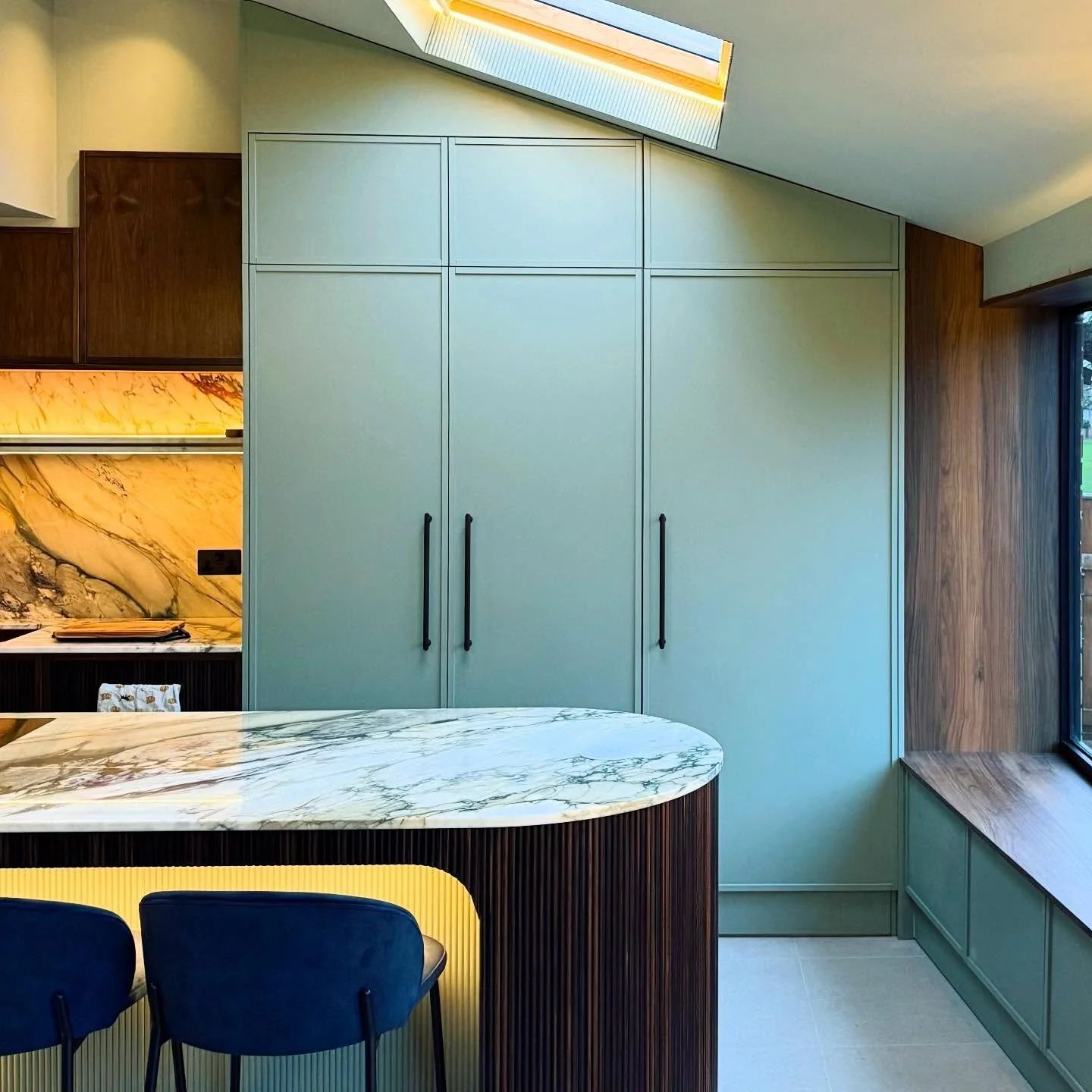
A room can look beautiful and still ask too much of the people living in it. The Carole Method™ looks beyond surface choices to the way life actually moves through the home: where the energy stops, where routines create friction, where different needs collide and where the space needs to work harder.
The process starts with the life inside the home, then turns that understanding into a clear spatial and design direction. The result is not a style imposed from the outside, but a home shaped around the people, rhythms and next chapter it needs to hold.
A clear direction rooted in how you want to live and feel.
A clear spatial direction that brings flow, function and ease, whether across one room, connected spaces or the wider home.
One coherent vision across rooms, decisions and household needs.
Calm design leadership, so choices are made in the right order.
Technical clarity, so the design can be priced, briefed and delivered properly.
A home that feels deeply personal rather than styled around a formula.
What this process gives you
The four pillars of The Carole Method™
Inner World First
Every project begins with the people living inside the home: how they want to feel, what is changing, what is not working and what the next chapter needs to support. This becomes the compass for every design decision.
Story, Words and Identity
Your memories, language, values and lived experience become the cues that make the home feel personal, coherent and unmistakably yours. I am not searching for a look to impose. I am listening for the story the design needs to tell.
Energy, Flow and Emotional Safety
Layout, circulation, light, zoning and visual rest are shaped around how daily life actually moves. The aim is a home that feels calmer, clearer and easier to live in, with space for both connection and retreat.
Form, Function and Integrity
The broader spatial decisions and the smallest details are resolved as one whole. Clear stages, sign-off points, drawings and specifications protect the design intent from first concept through to implementation.
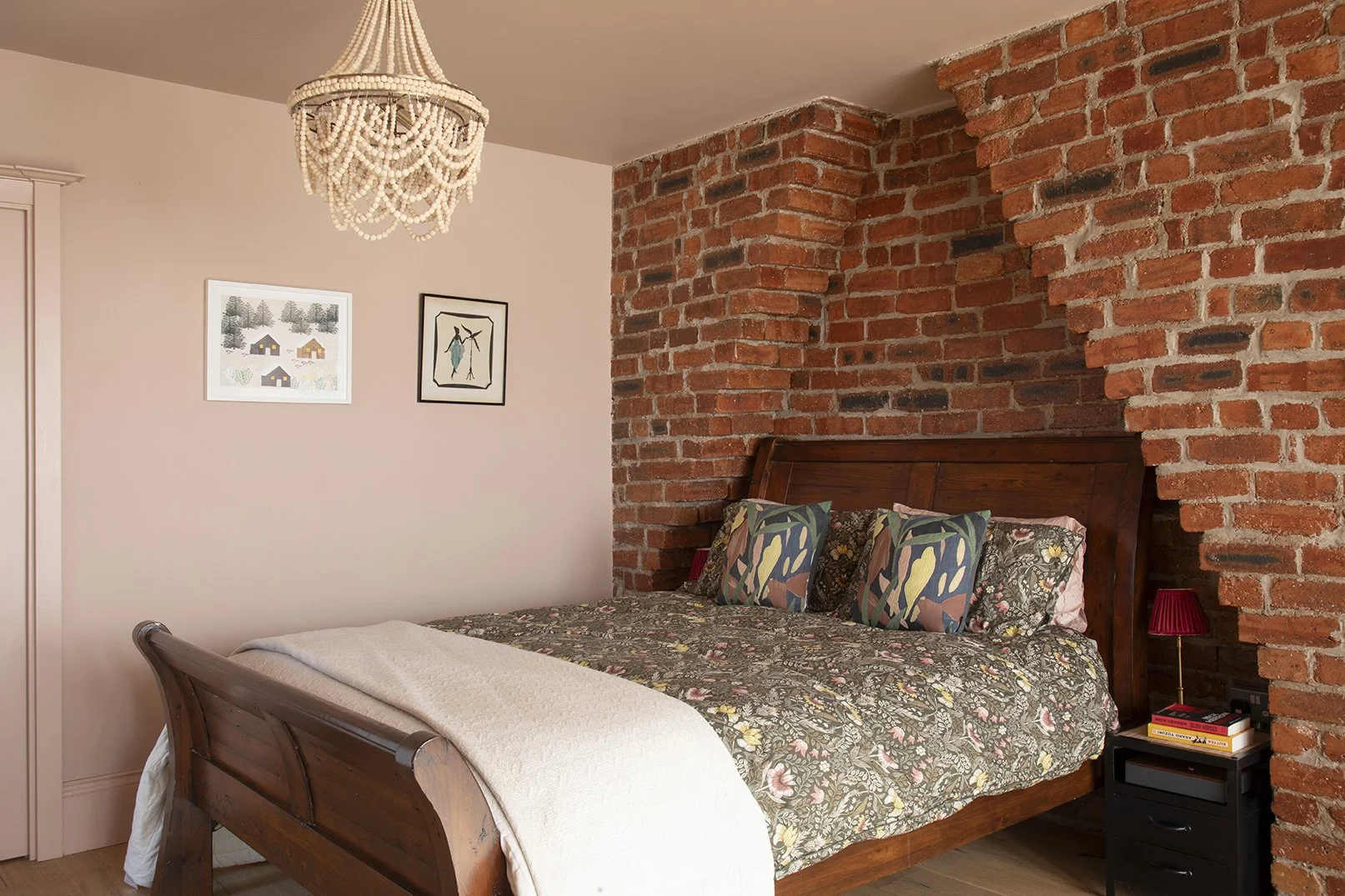
The Stages
The Carole Method™ is delivered in defined stages, each with a clear purpose, outcome and decision point before we move forward. Each stage builds on the last, keeping the design coherent, the process professionally held and the wider vision protected throughout.
Connection Call
A warm first conversation to explore your project, what is prompting change and whether my way of working feels right for you and your home.
We look at the project at a high level, talk through your priorities and identify the most appropriate next step.
Outcome: a clear route forward and a mutual sense of fit.
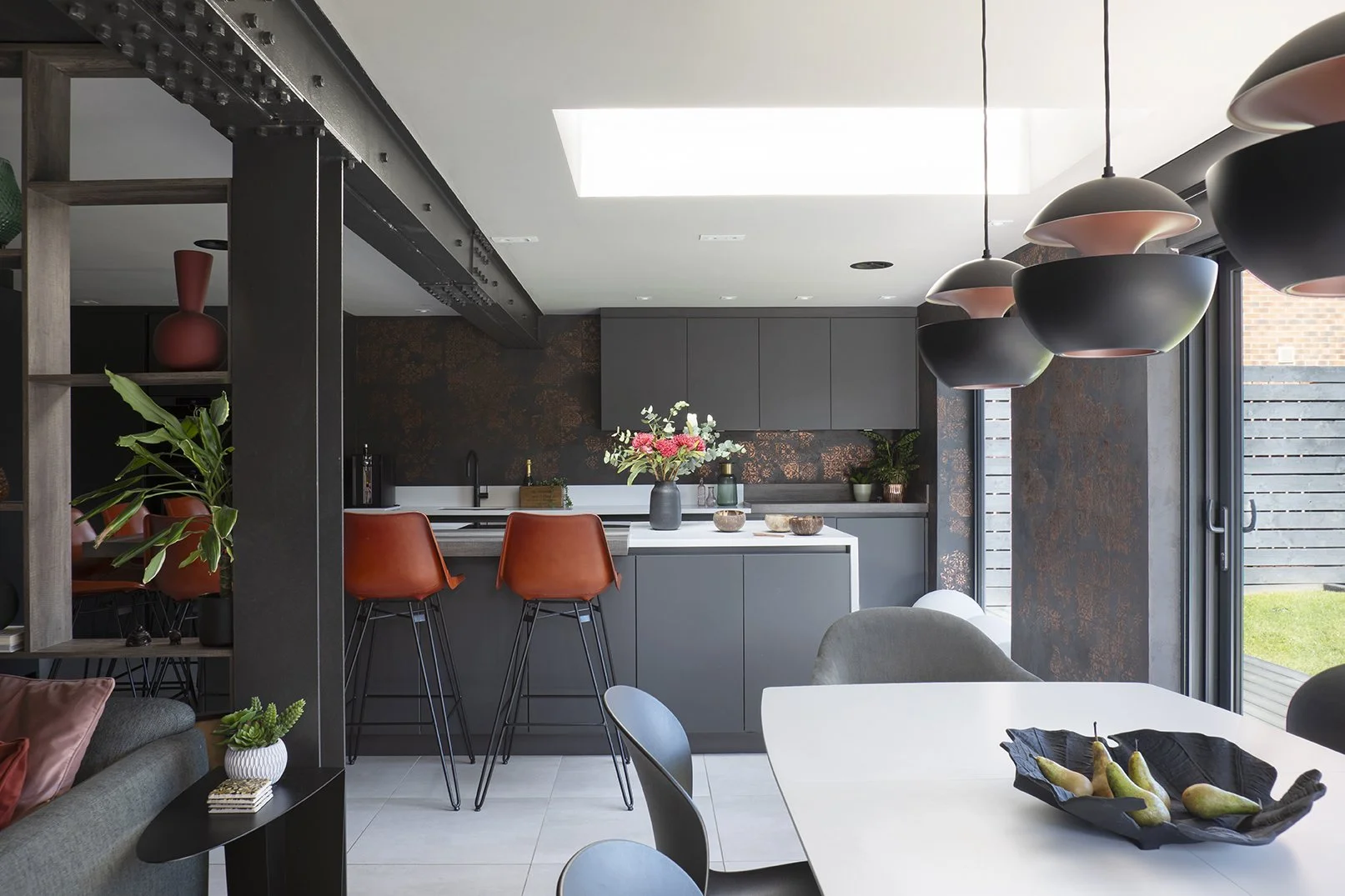
Stage 1: Energy Activation
Through the Signature Questionnaire and a guided two-hour session, I explore your story, your priorities, your daily rhythms, what is not working and the emotional and practical foundations that need to shape the project.
This is the deeper diagnostic and direction-setting stage. It establishes what must be protected, what must change and what the home needs to support next.
Purpose: create clarity and direction before any design work begins.
A guided two-hour session, in person or virtual.
Clarity around desired feelings, priorities and non-negotiables.
A written Activation Summary and aligned brief
A recommended pathway and proposal for the next stage.
You receive
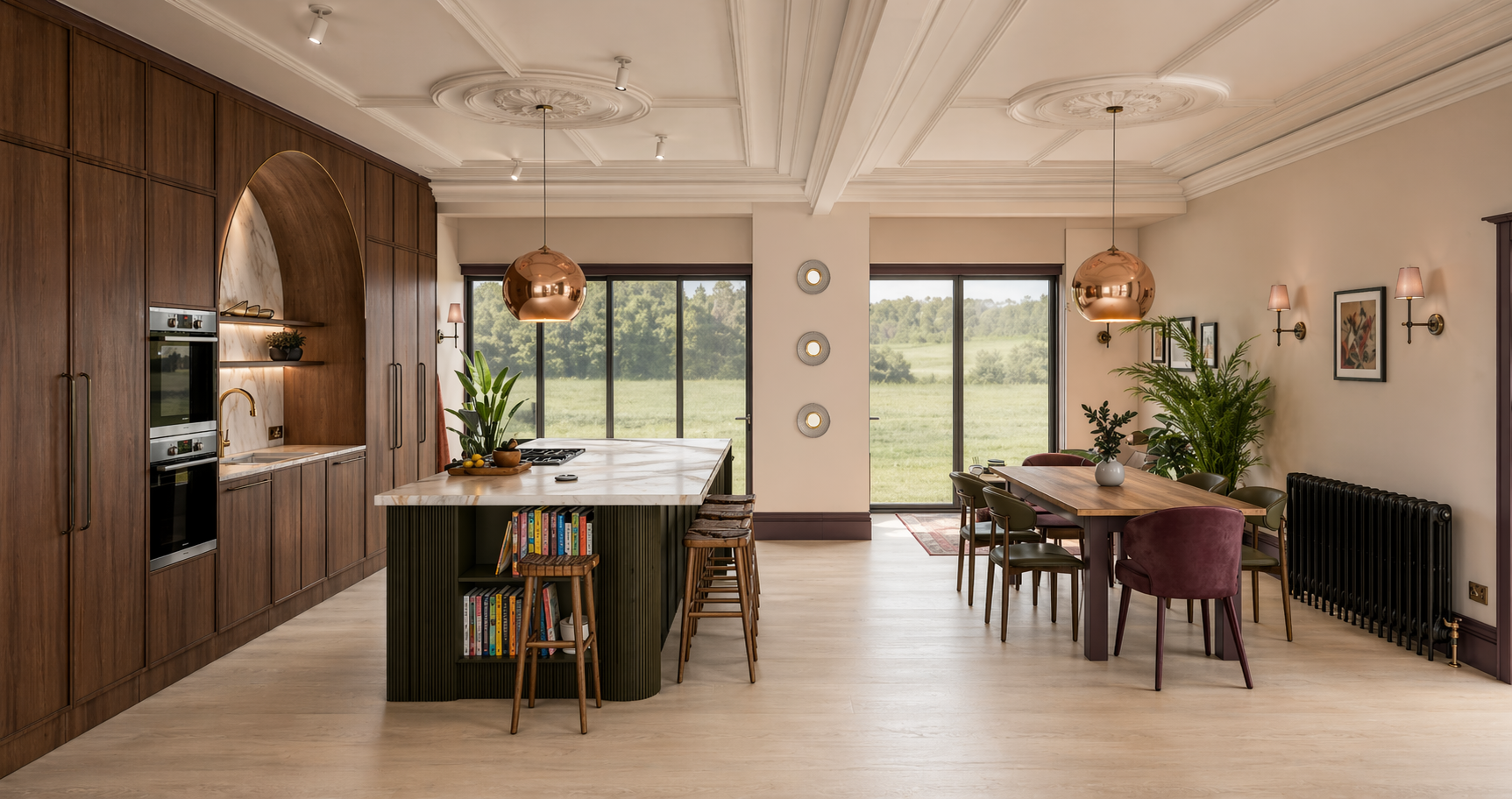
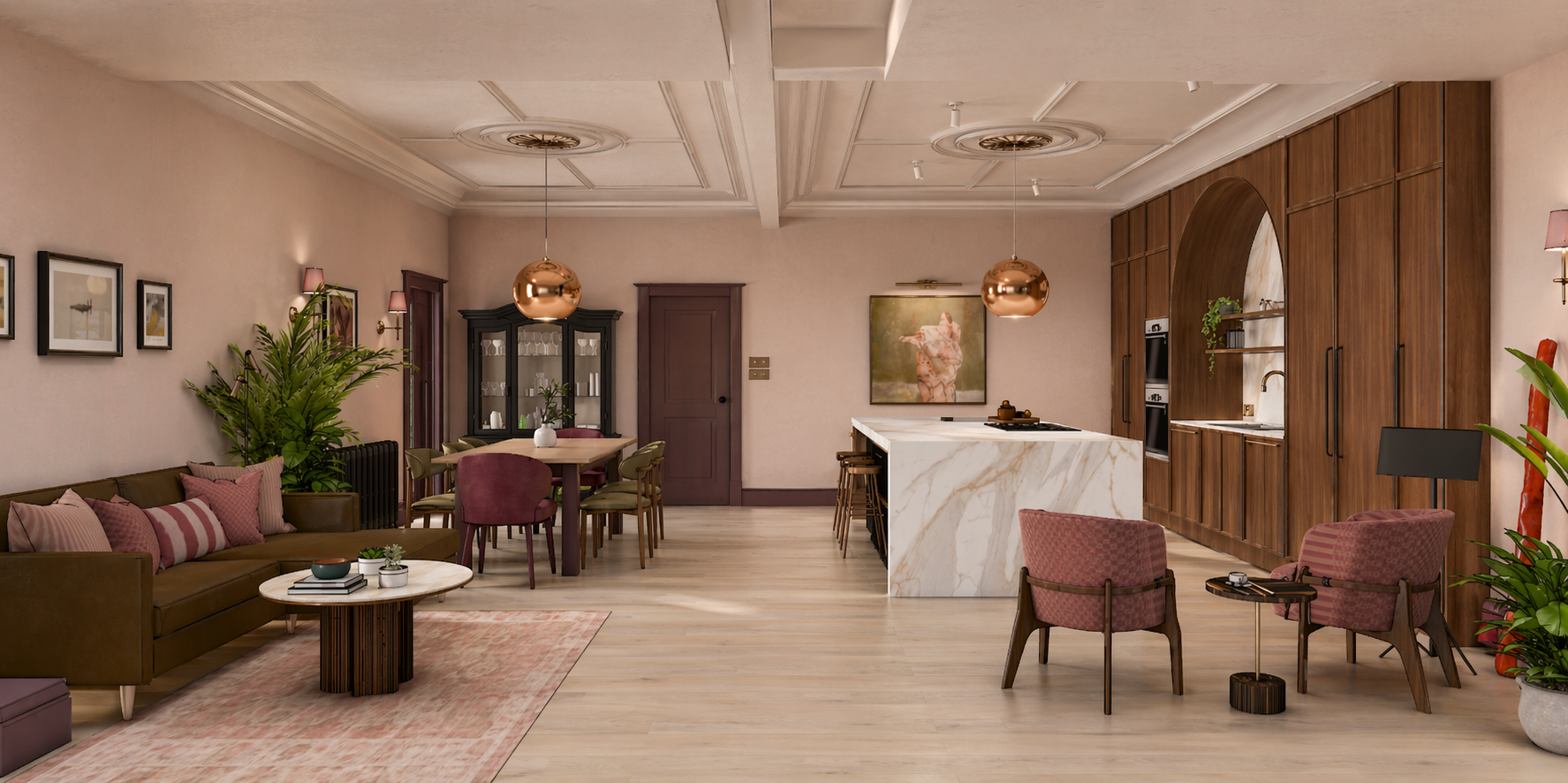
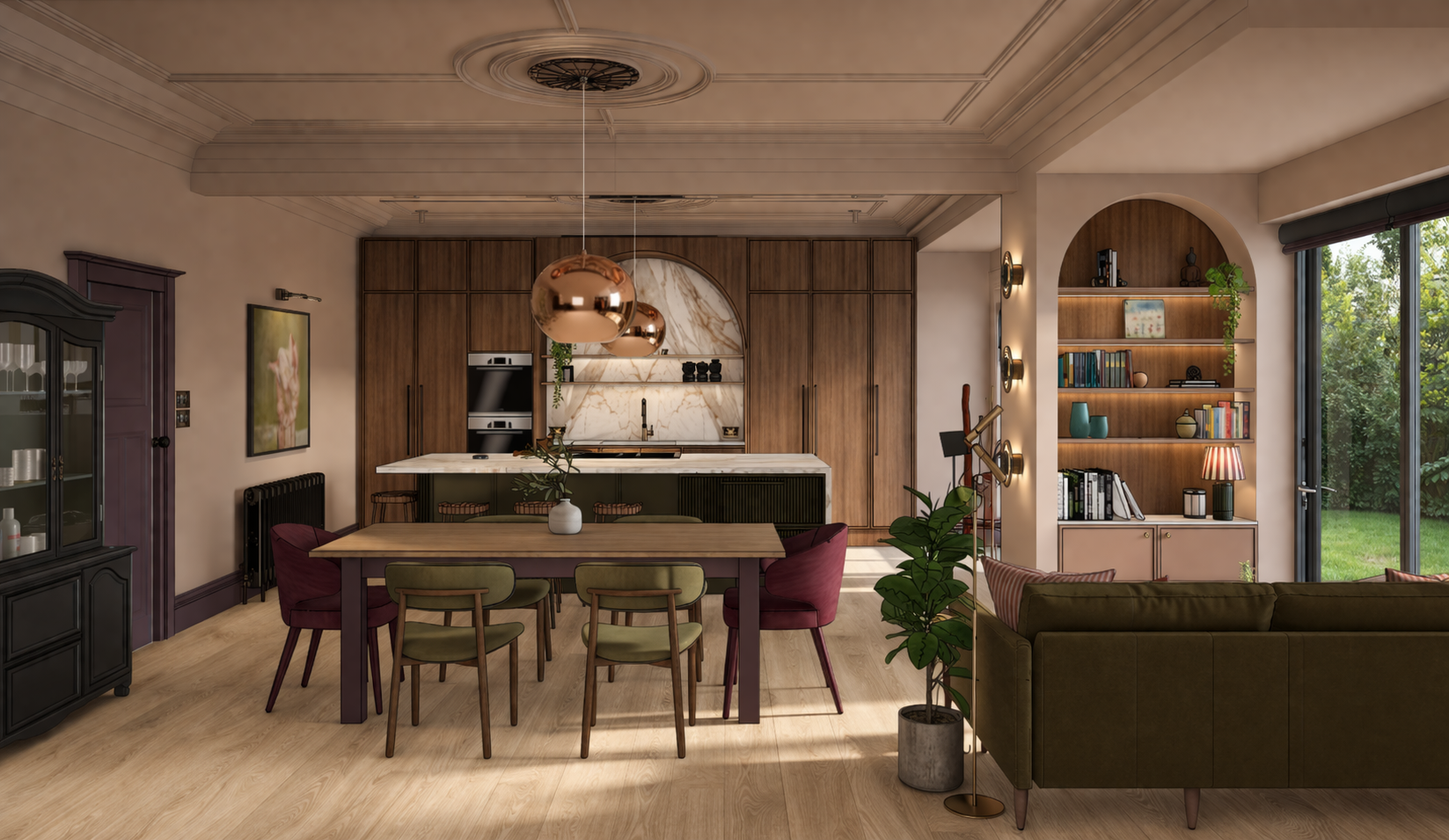
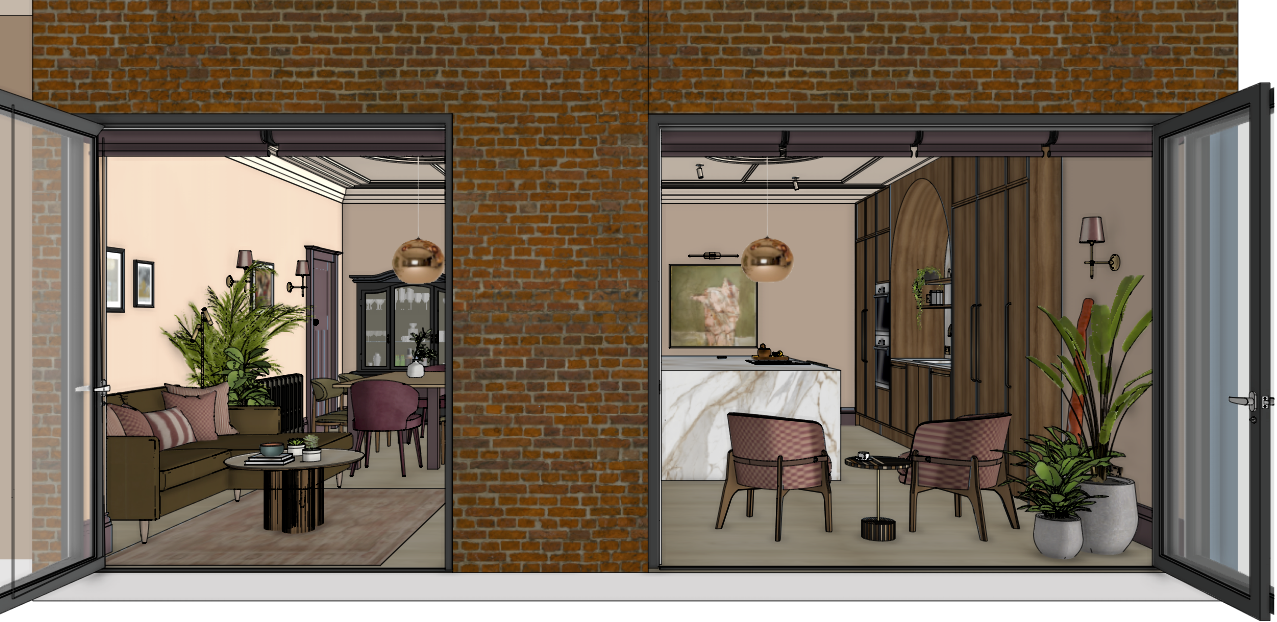
Stage 2: Research, Concept and Spatial Planning
Purpose: turn deep human insight into a clear concept, design direction and spatial strategy
This is the bridge between discovery and detailed design. I complete a deep research and synthesis phase, drawing together what I have learned about the people, the property, the way the household lives, the objects and stories that matter, and what the home needs to support next.
From that understanding, I develop the lead concept and design language for the project, then establish the strongest spatial direction before the wider scheme is developed or expensive decisions are fixed.
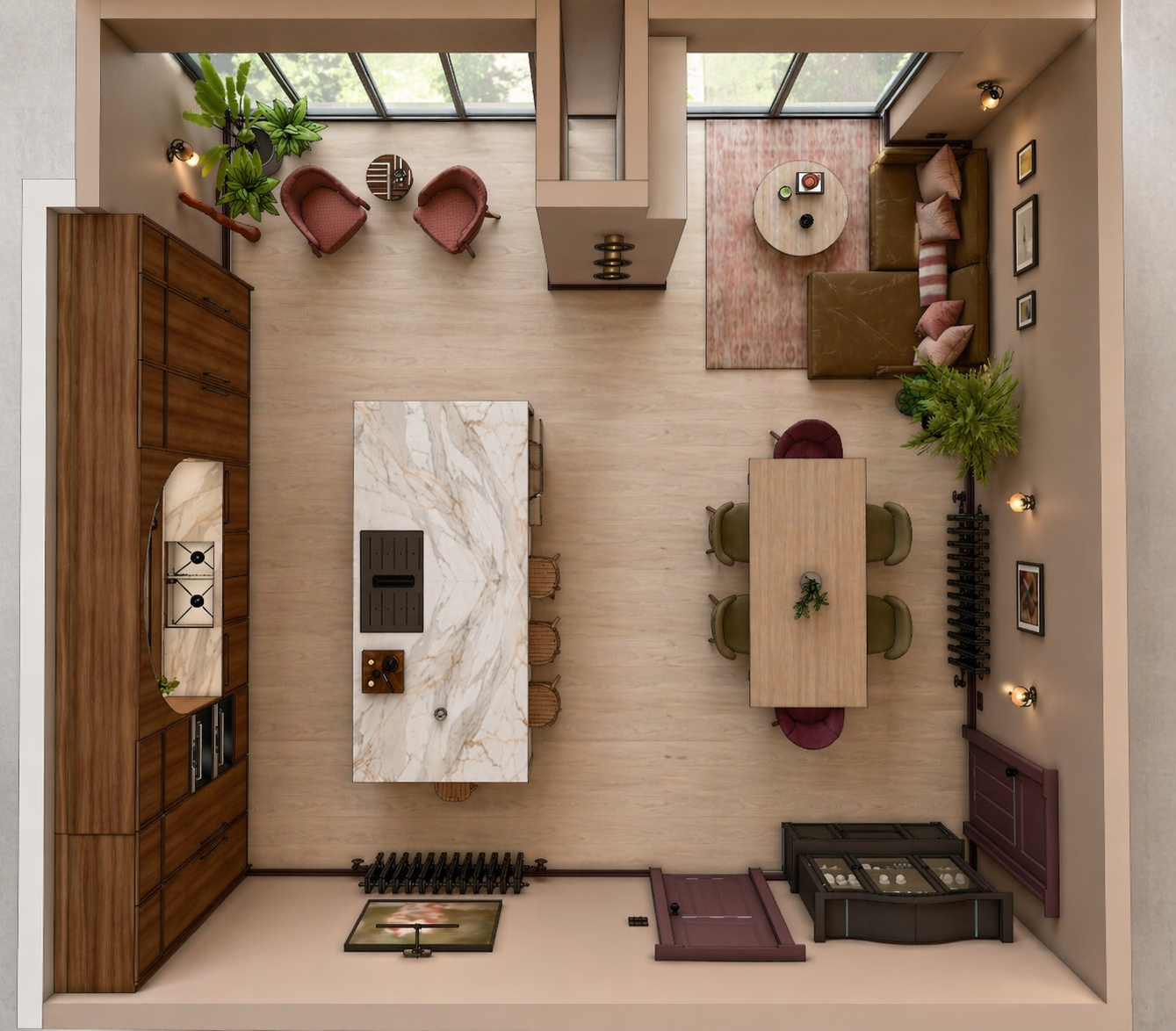
I consider how the spaces need to work together, including room purpose, relationships, circulation, zoning, furniture, storage, natural light, views, daily-life systems and the position of key functions. Depending on the scope, this may involve rethinking one room, several connected spaces, a whole floor, the wider home, or the relationship between an existing property and a proposed extension.
I test alternative spatial possibilities behind the scenes, filtering the options and bringing forward the strongest route. Where more significant changes are being considered, I may rework the spatial arrangement, revisit existing architectural proposals or seek early input from the relevant builder, structural engineer or specialist so the direction is grounded in practical reality as well as design vision.
This is also where the early design moves begin to take shape, including focal moments, architectural opportunities, joinery language, material direction, lighting intent and the relationship between old and new spaces.
For larger or phased projects, Stage 2 may also establish the order in which the work should move forward, taking account of budget, disruption, technical dependencies and how the home needs to remain liveable throughout.
This is where different needs and tastes are brought into one coherent direction, so the home begins to hold together as a whole rather than being approached through isolated decisions.
A Client Story and Insight document covering key themes, priorities, lifestyle rhythms, meaningful references and deeper design considerations.
A clear lead concept and design direction.
A clear spatial strategy, developed at room, connected-space, floor or whole-home scale depending on scope. For larger or phased projects, this may form a whole-home masterplan to guide later rooms and stages.
Room-purpose, flow and daily-life systems thinking.
Early design moves and broad material language to test the direction.
Selected alternative spatial options where there is a meaningful strategic choice.
Strategic feasibility, phasing or cost guidance where relevant to the project.
A presentation of the recommended direction and a formal sign-off point before Design Development begins.
You receive
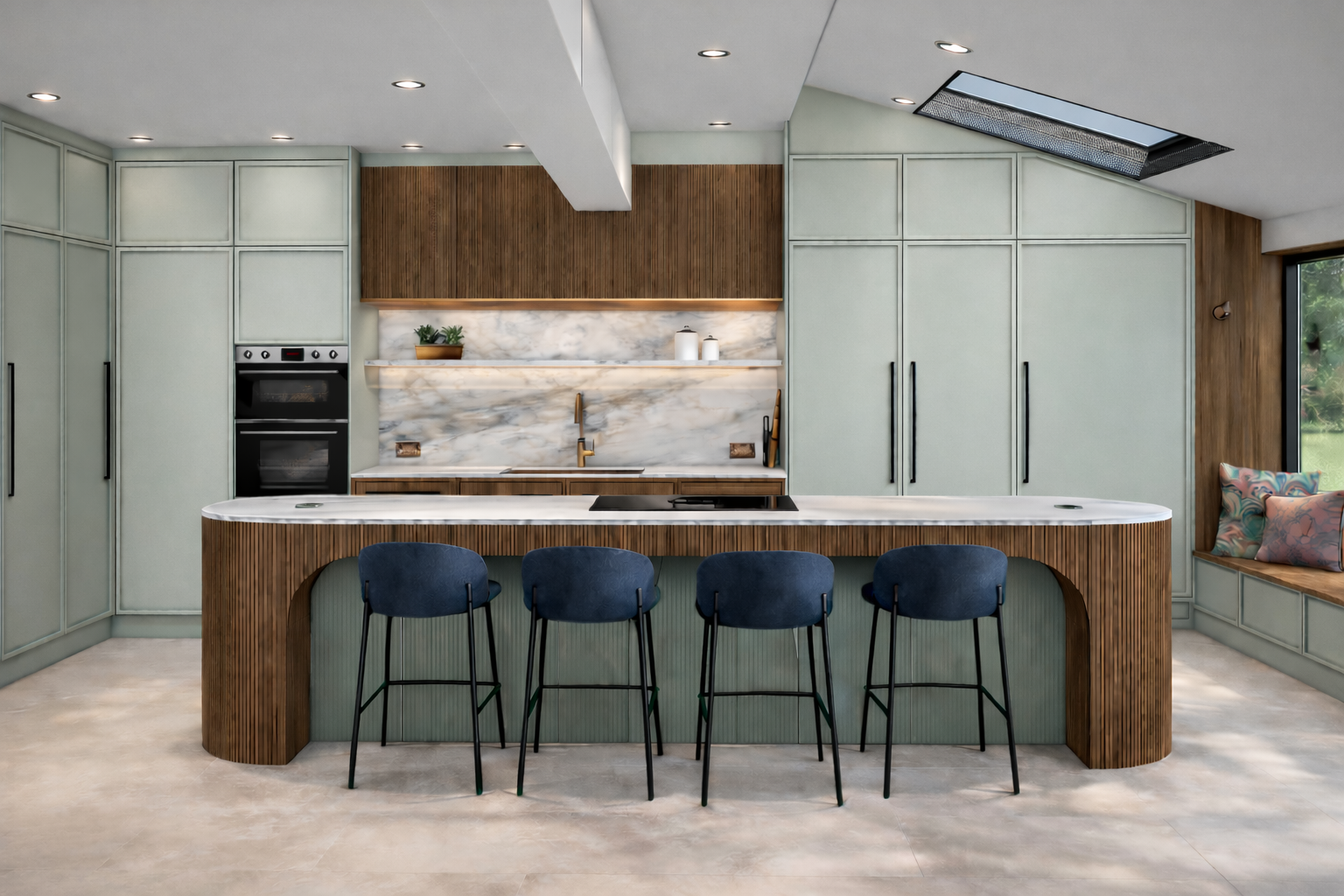
Stage 3: Design Development
Purpose: develop the concept into a cohesive, fully resolved design.
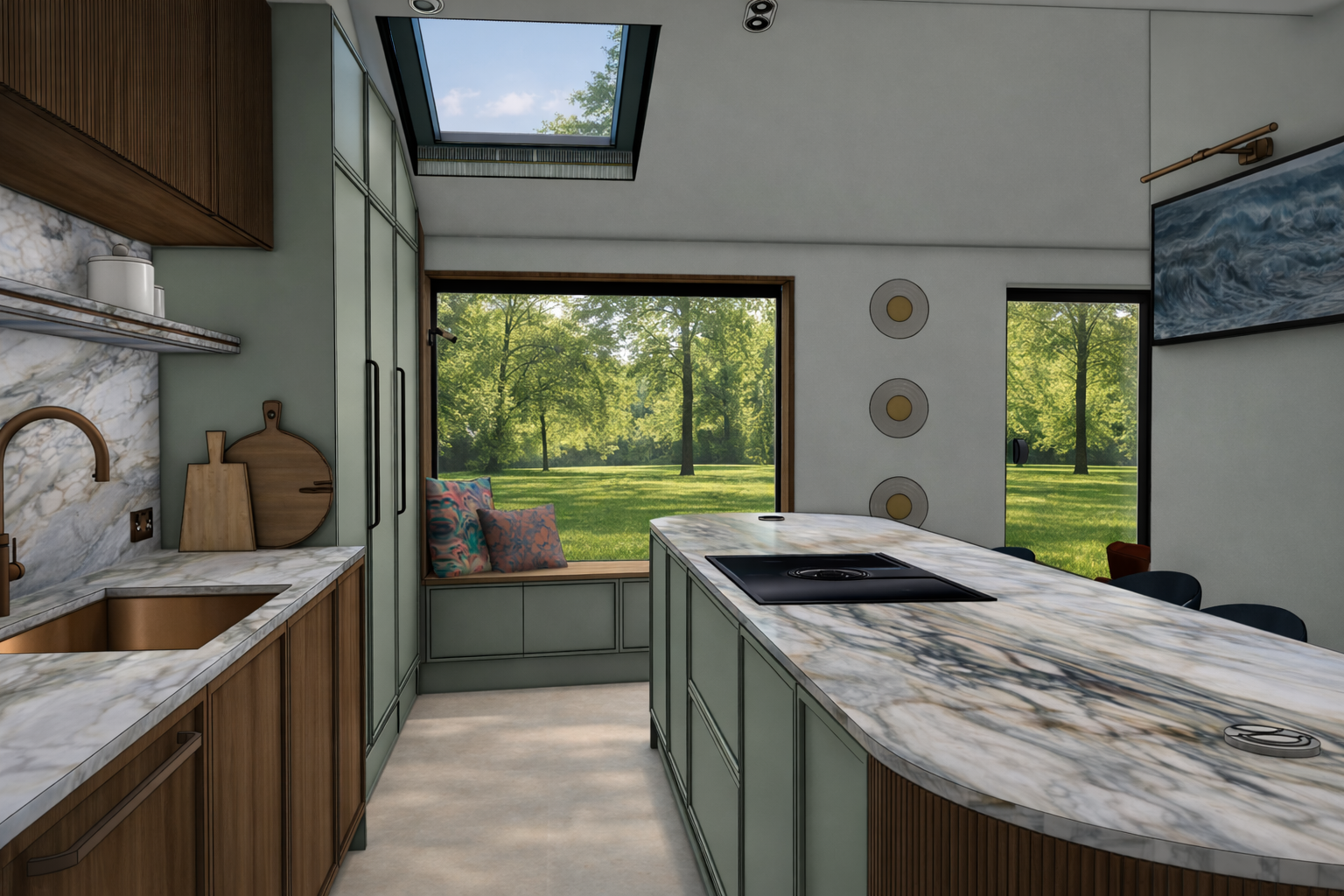
This is where the whole scheme comes to life. I develop the 3D model and resolve the lighting, storage, joinery, materials, furniture, fixtures, fittings and key details across the agreed spaces.
Every element is considered as part of one connected design, from the major spatial decisions through to details such as switches, sockets, hardware and how everyday life will actually work within the room.
By bringing these decisions together in the model, you can see and understand the home as a fully formed scheme before the key choices are approved, technically developed or anything is ordered. This allows the design to be refined properly, protects against decisions being made in isolation and gives you confidence that the finished space will work as beautifully as it looks.
3D visuals and a full design presentation
A fully developed scheme across the agreed spaces
Material, furniture, fixture and fitting selections
Lighting, storage, joinery and key detail direction
Physical sample boards, shared in person or virtually
A reflection window and clear sign-off before Technical Design
You receive
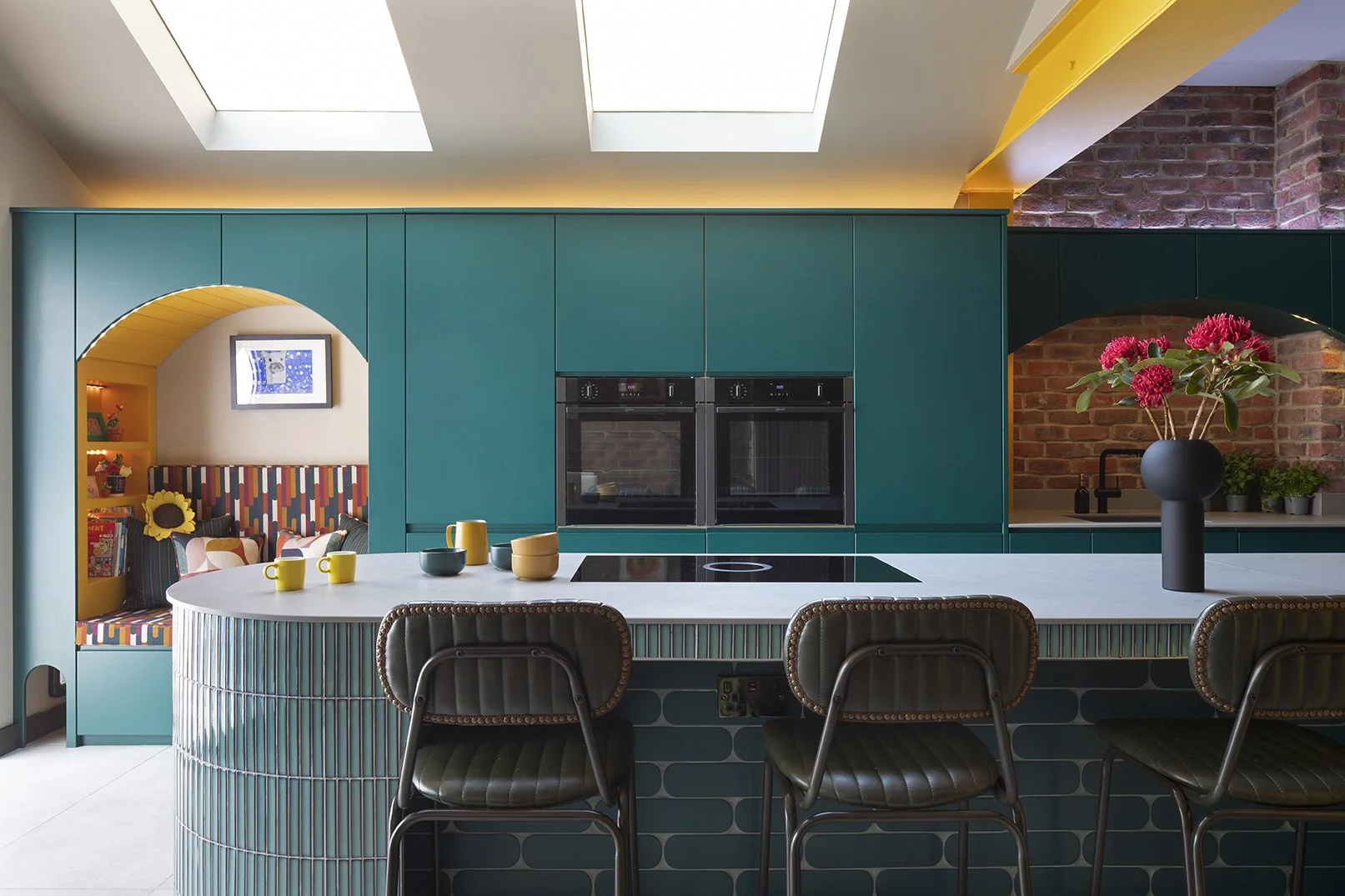
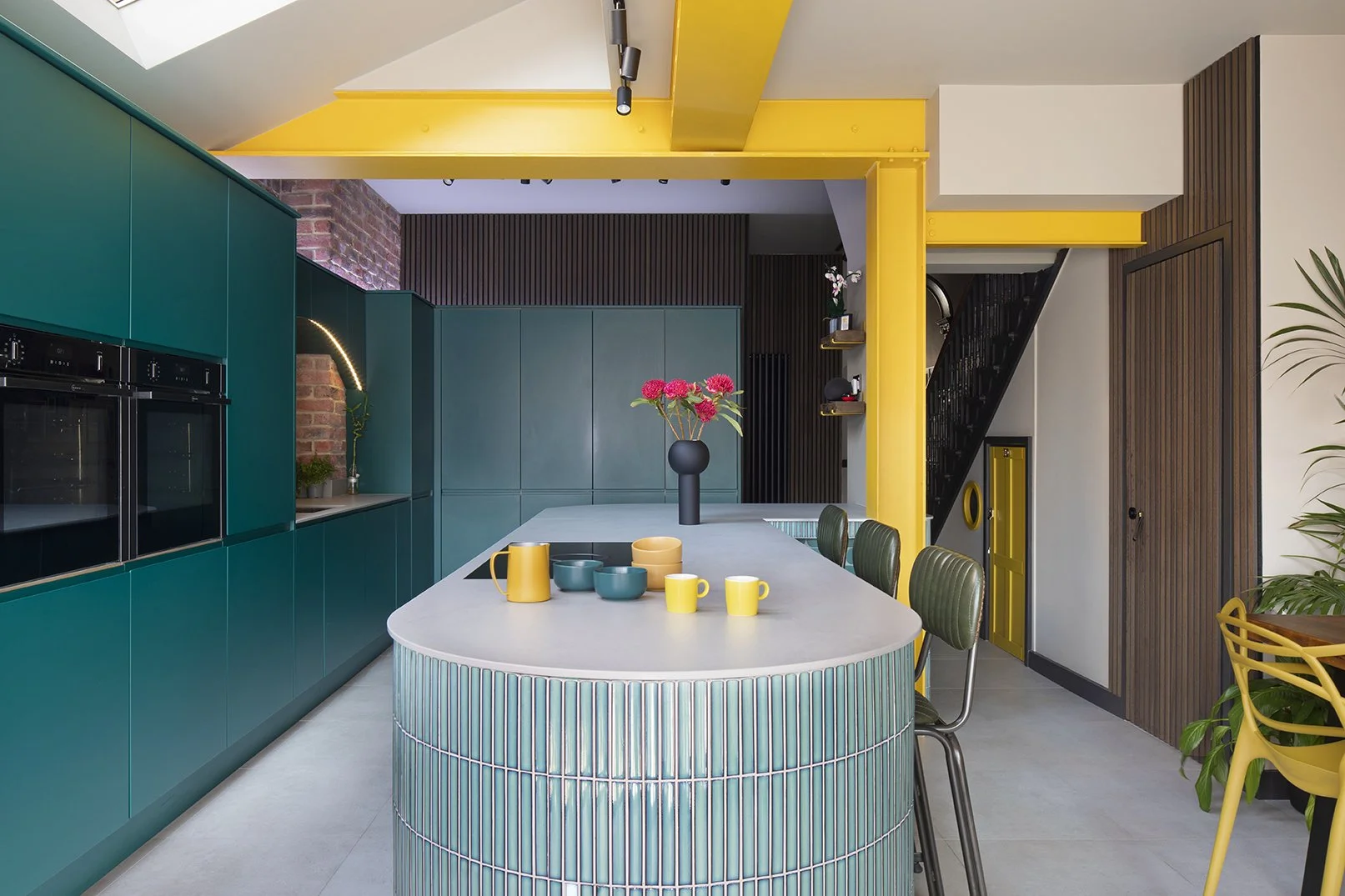
Purpose: translate the approved design into clear technical information so it can be priced, briefed and delivered properly.
Stage 4: Technical Design
This stage protects the design intent. I produce coordinated design-intent drawings, specifications and schedules that communicate the approved scheme clearly to joiners, trades and suppliers.
The detail is resolved before it is issued, with a draft review and final sign-off so responsibility stays clear and the project can be priced accurately.
Where required, I am also happy to brief the relevant trades and suppliers directly, talk them through the design intent and answer design-related questions so the scheme is understood properly before work begins.
A technical drawings pack and specifications for the agreed scope
Lighting and electrical layouts, joinery details and finishes schedules as required
A draft issue for review, followed by final sign-off
Documentation issued as design intent, with scope and responsibility clearly defined
Trade and supplier briefing where agreed
You receive

Stage 5A: Procurement
Purpose: carry the approved design into reality through considered sourcing and supply.
I prepare an itemised Procurement Schedule setting out the products, quantities, specifications and suppliers required for the approved design. This brings together everything that needs to be purchased, from furniture, lighting and finishes through to smaller details such as sockets, switches, hardware and fittings.
Once the schedule is approved, I manage the ordering, supplier communication, tracking and delivery of the agreed items, with clear updates throughout.
An itemised Procurement Schedule
Product references, quantities and supplier details
Clear updates as orders are placed and progress
Lead-time and delivery information
A final procurement summary
You receive
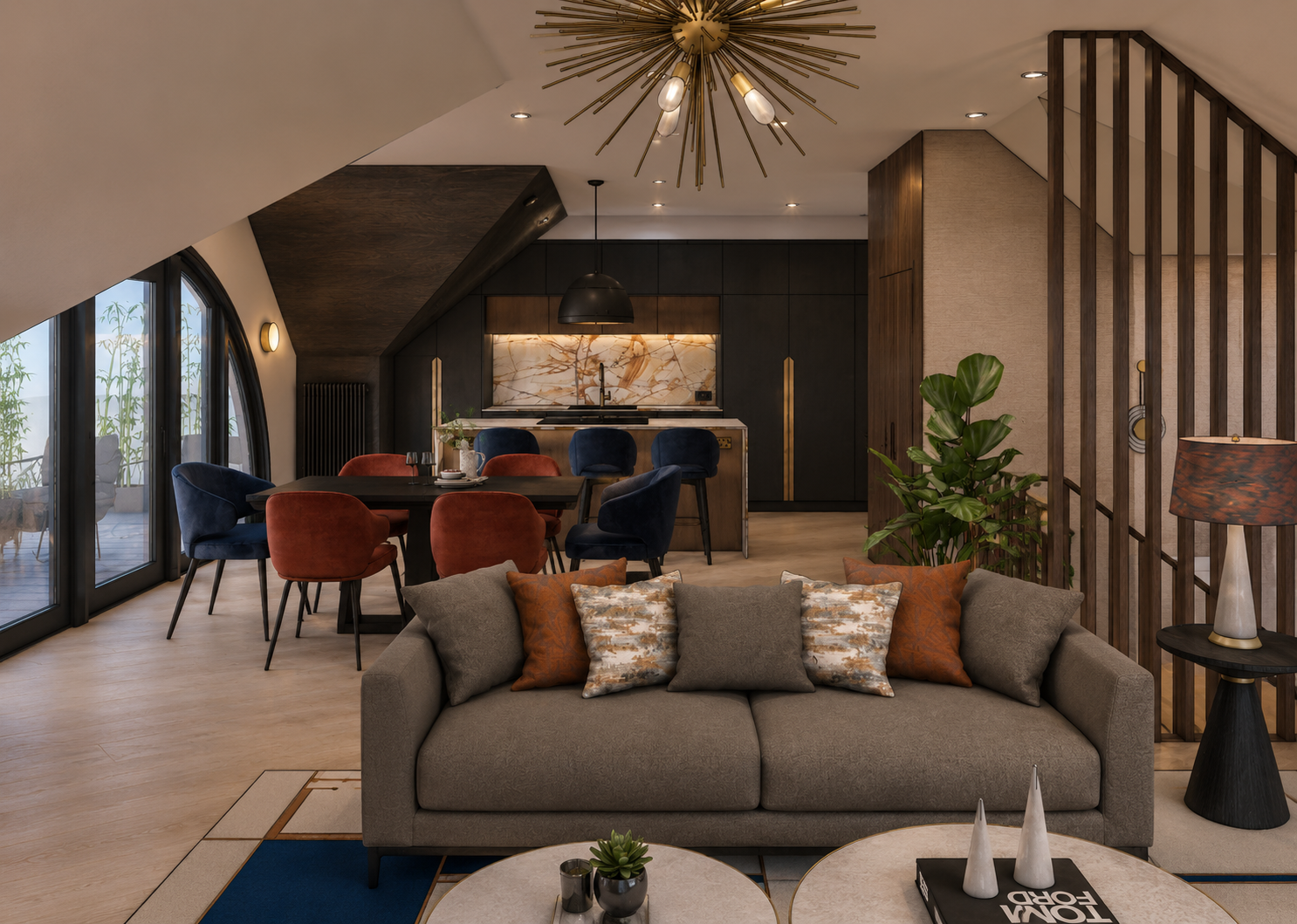
Stage 5B : Project Co-ordination, optional
Purpose: protect the approved design intent during implementation.
I provide calm design oversight at agreed milestones, working alongside the client, trades and makers to answer design questions and help the project move forward without compromising the vision.
This is design guardianship, not contractor management. The role, boundaries and number of visits are agreed clearly before work begins.
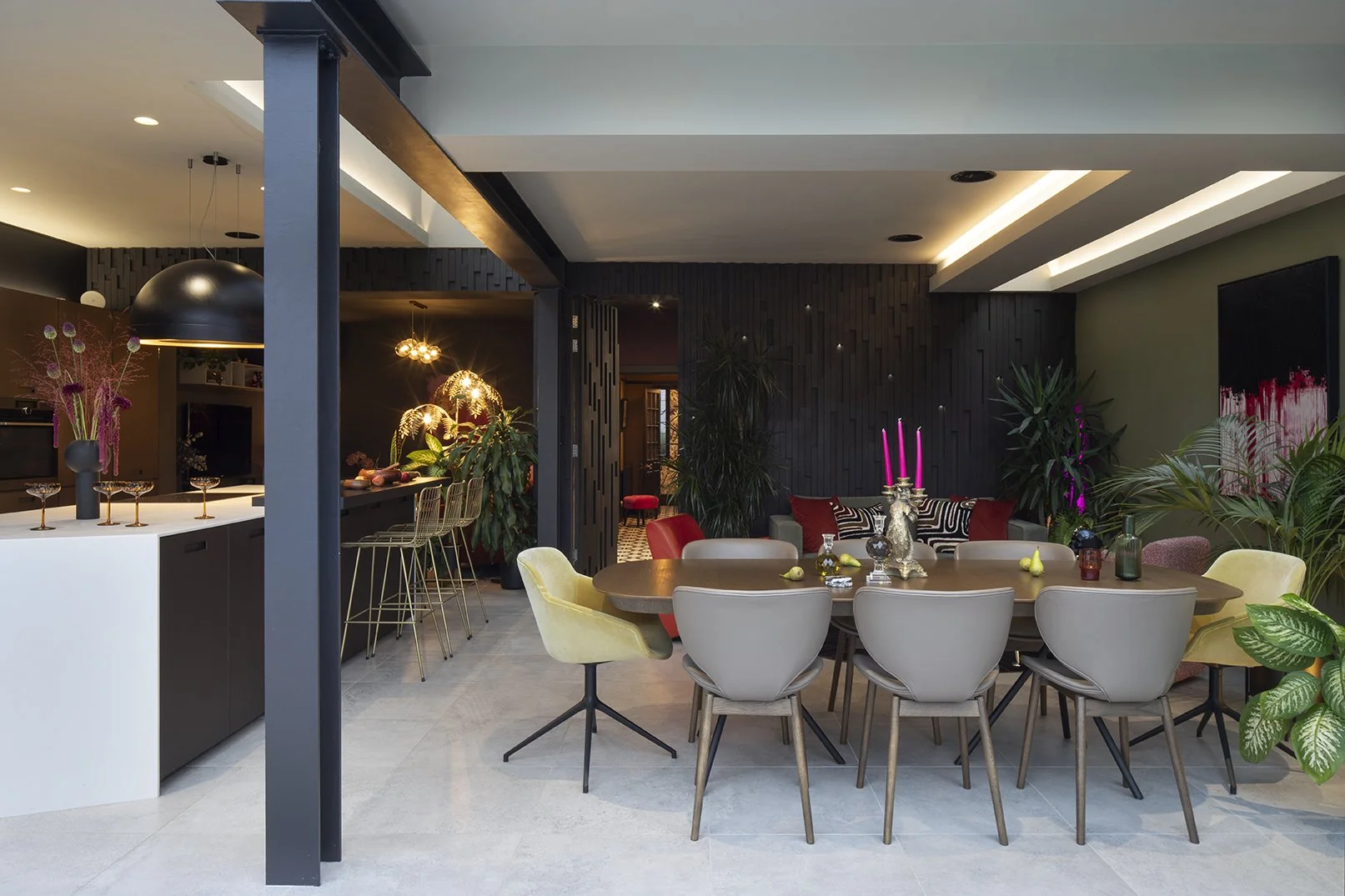
Stage 6: Project Handover and Reflection, optional
Purpose: close the project with clarity, care and a calm finish.
Once implementation is complete, we walk through the finished spaces, note any minor refinements and capture what has shifted. Care guidance, final styling and professional photography can be included by agreement.
A completion walk-through and refinement notes
Care guidance for key finishes and pieces
A written completion summary
Optional final styling
Optional photography co-ordination, subject to client agreement
You receive
What this can feel like in real life
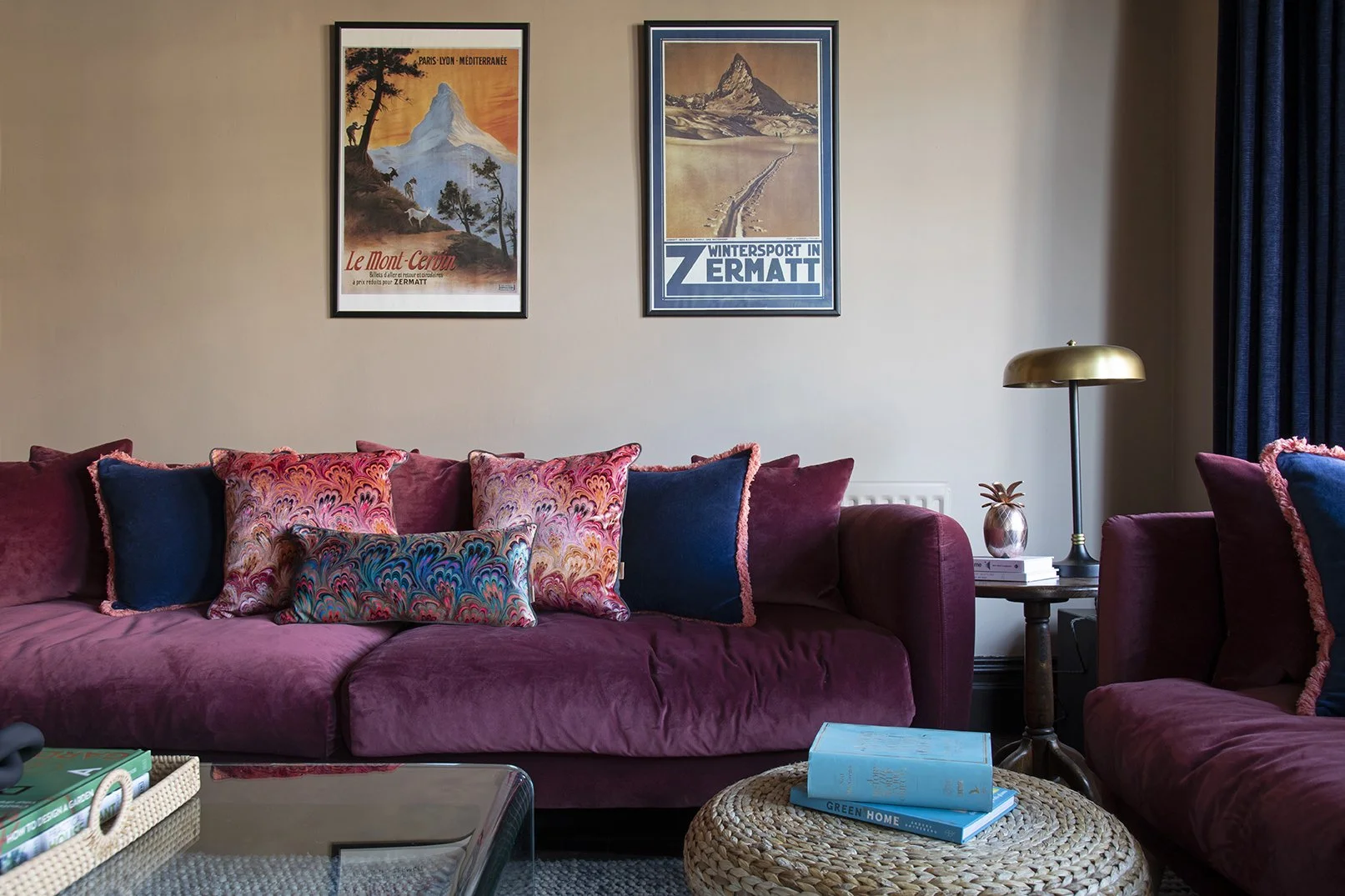
A home that supports you through busy or demanding seasons, with considered layout, lighting and calm, functional zoning.
Storage, circulation and practical surfaces that make everyday routines feel easier.
Space for both gathering and retreat, with different rhythms held within one coherent home.
Different tastes brought together without anyone feeling overridden.
Less second-guessing, because decisions are connected to one clear vision.
Support through decision-heavy moments, with clear stages, clear next steps and calm design leadership.
A home you can exhale into because it works beautifully in real life, not just on paper.
Each stage builds on the last, so the design stays coherent, decisions feel more manageable and the finished home feels like you.
What calm design leadership can change
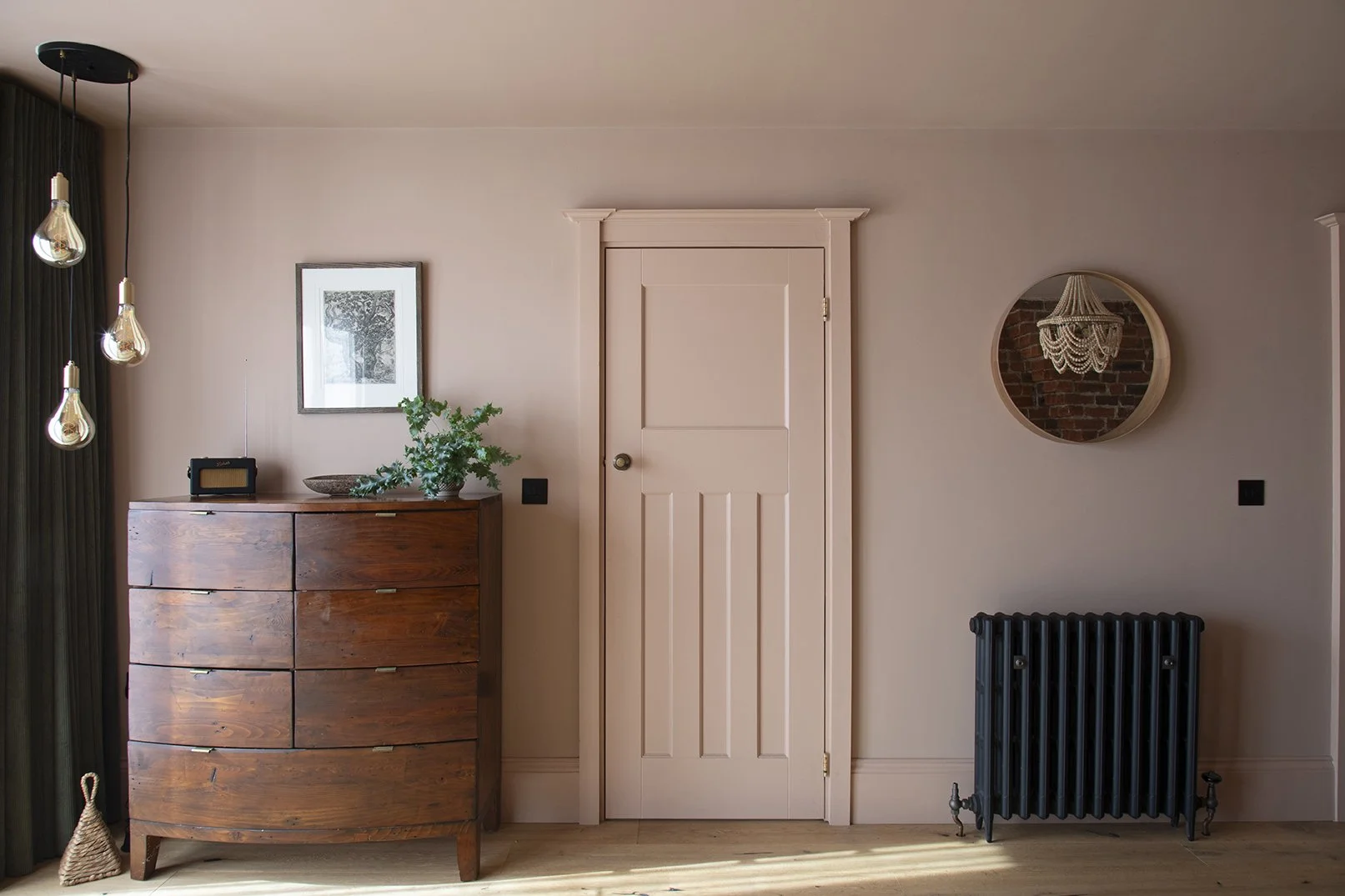
“Carole joined the project well into a renovation, which made the brief more challenging, but she handled it superbly. She challenged my ideas, brought forward concepts I would never have had the confidence to consider, and the outcome was far better than I would otherwise have achieved. Her network of makers, contractors and suppliers was also invaluable, and everything delivered was to an exceptional standard.”
Dave
How to choose the right interior designer
A strong working relationship matters because interior design asks you to make significant decisions about your home, your money and the way you want to live.
Look for a designer whose process gives you both confidence and room to be heard.
A clear process with defined stages, so you understand what happens next.
Evidence of real-life outcomes, not only beautiful images.
Confidence with layout, proportion, lighting, materials and technical detail.
The ability to explain why a decision matters rather than simply state a preference.
Calm leadership when there are different tastes, competing priorities or difficult decisions.
Professional boundaries and documentation that protect both the design and the client.
Look for
Ready to begin?
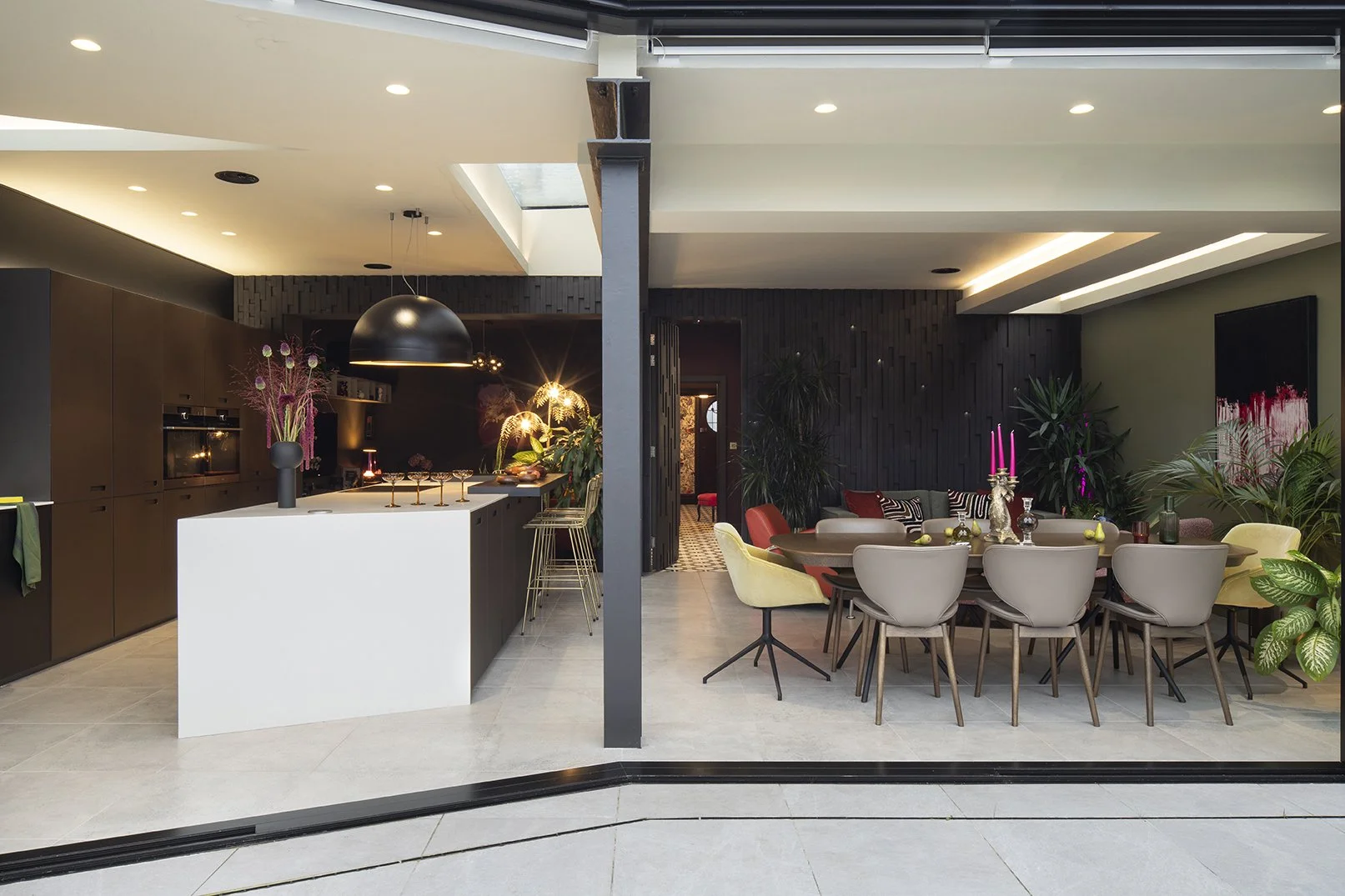
A Connection Call is the first step. We will talk through your home, what is prompting change and the support the project may need, while also getting a feel for whether my way of working is right for you and your project.
You do not need to have everything worked out before we speak. Bring the questions, the plans or simply the feeling that something is no longer working. We will begin there.