The Ferns | A Home Shaped by Heritage and Belonging
A forever home in County Durham, redesigned to honour personal heritage, collected history and a slower, more rooted way of living.
The Ferns marked an important new chapter: a family home created after an international move, designed to feel settled, expressive and deeply personal. This was to be the home where the clients would finally put down roots, surrounded by the objects, artwork and stories gathered across years of travel and family life. The brief was not simply to make the house look beautiful, but to create a home that felt elegant, layered and unmistakably theirs, with a strong thread of Malaysian heritage running through the scheme while still respecting the character of the house and the tastes of both partners.
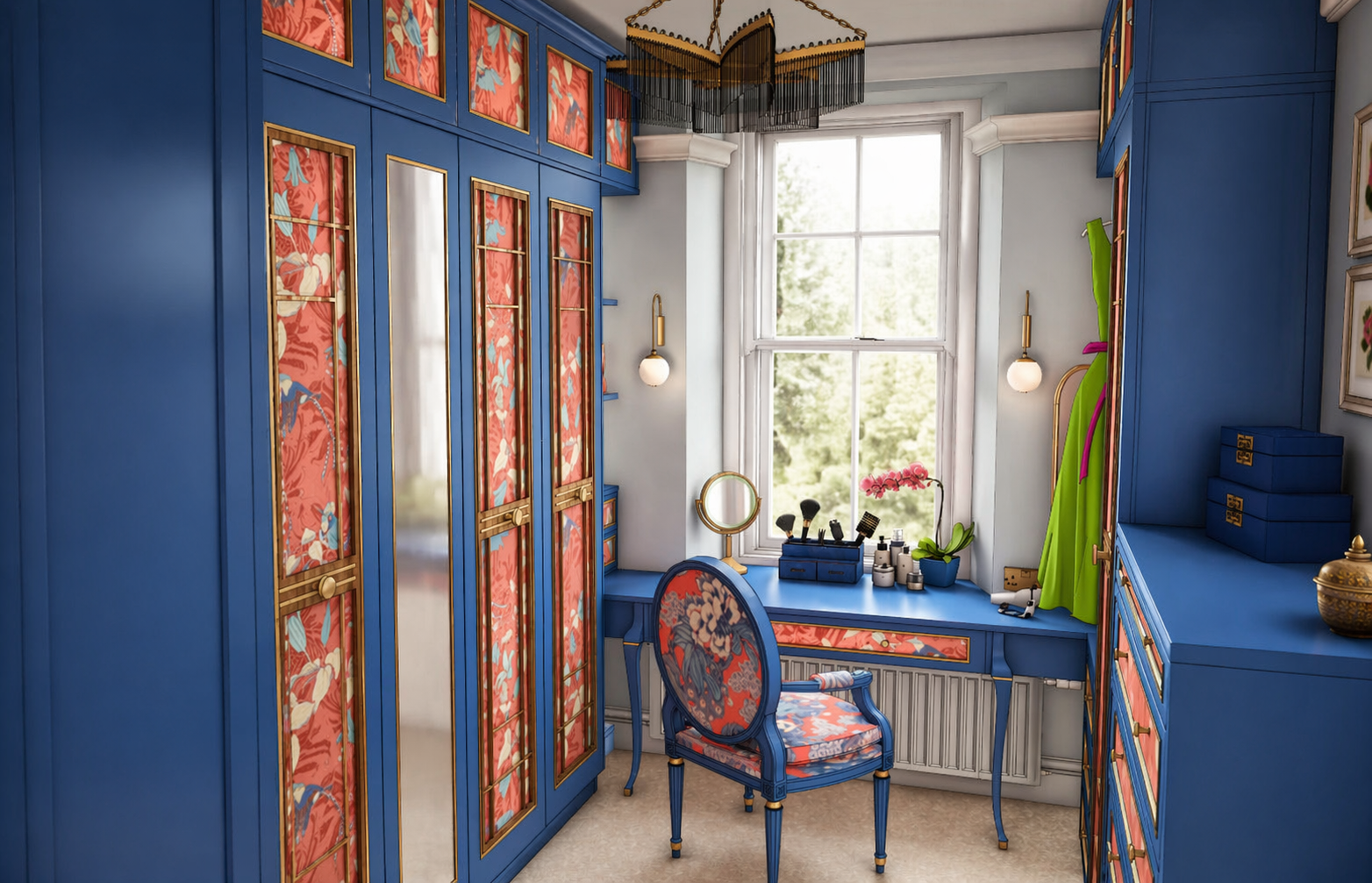
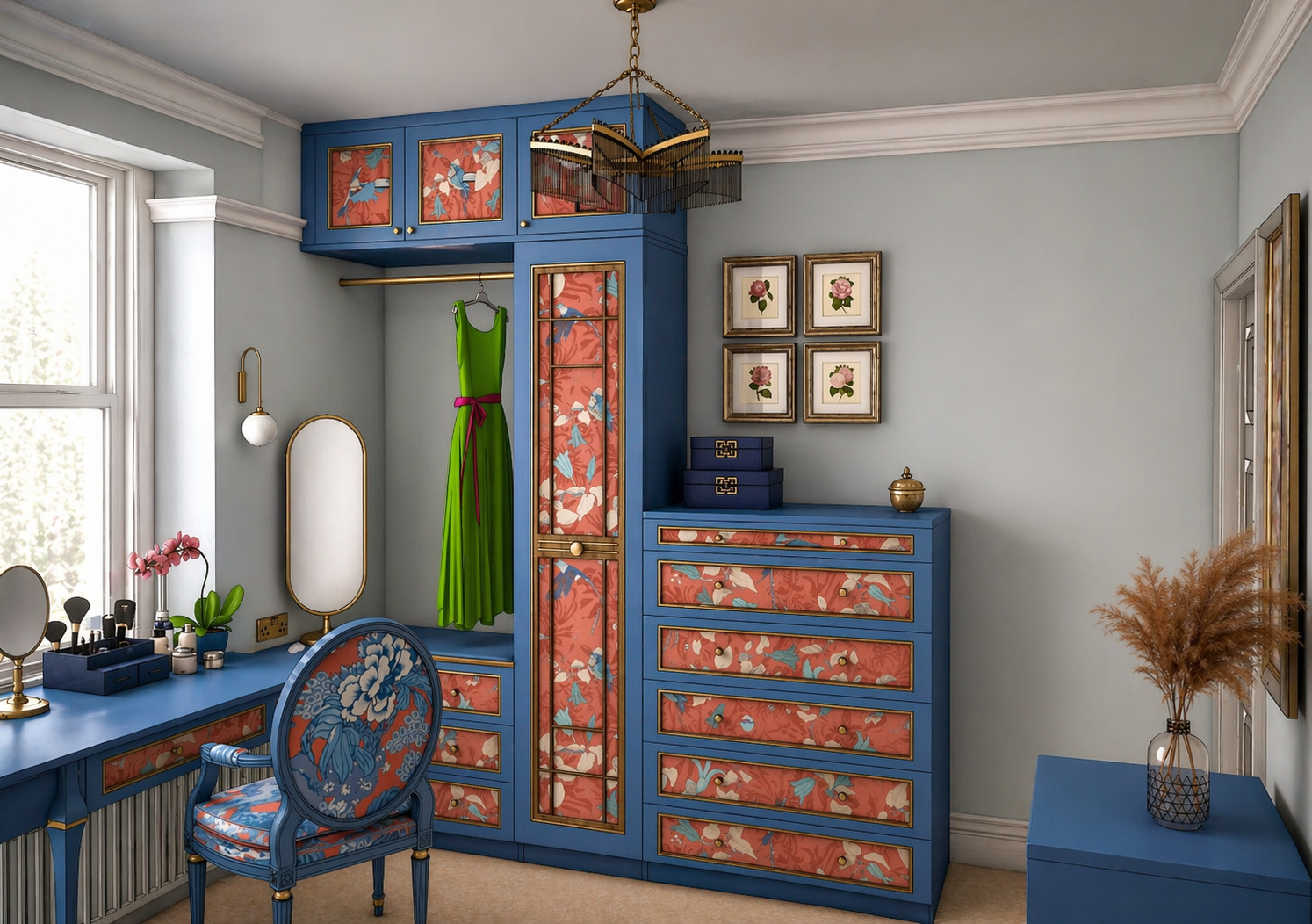
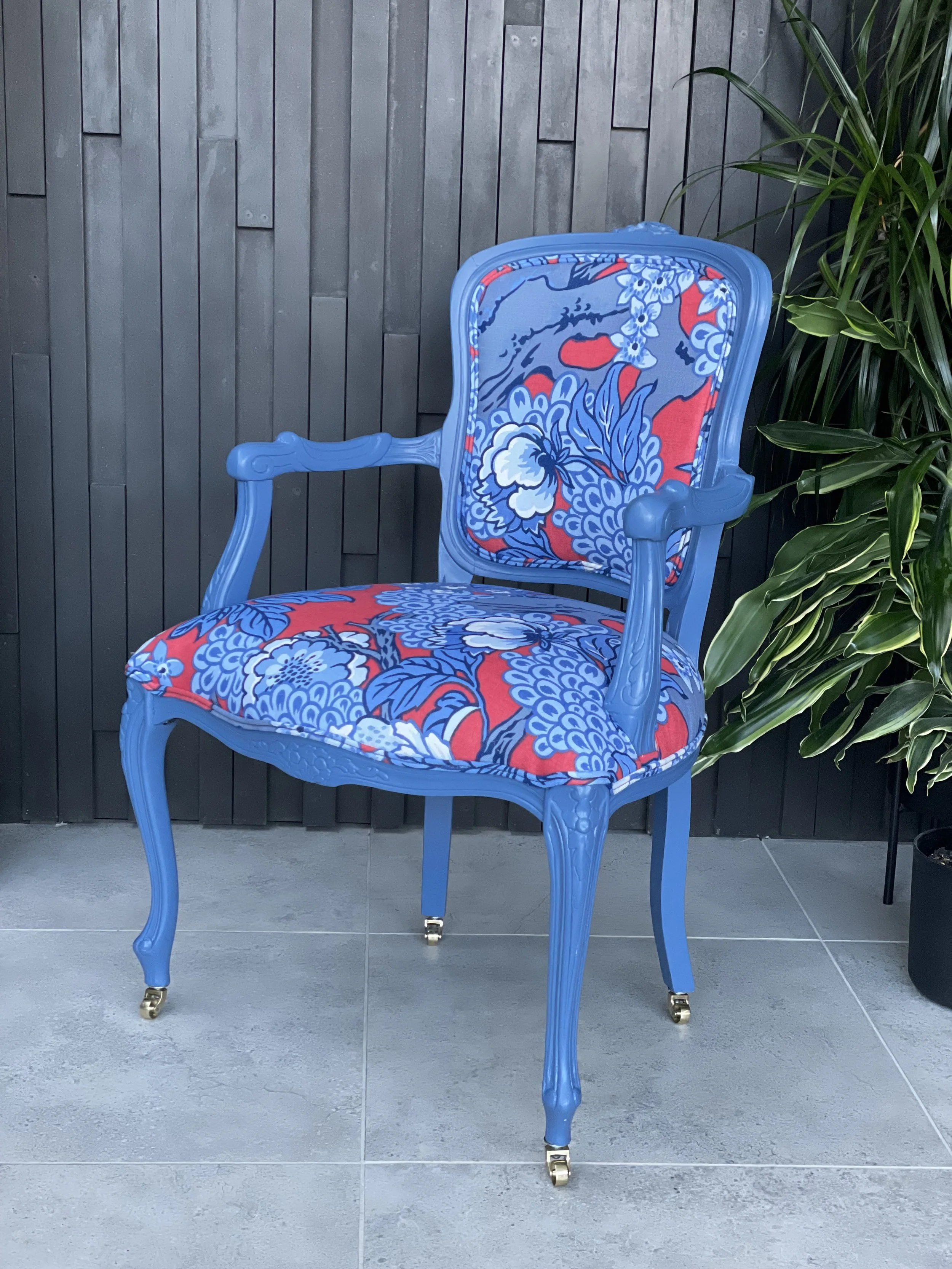
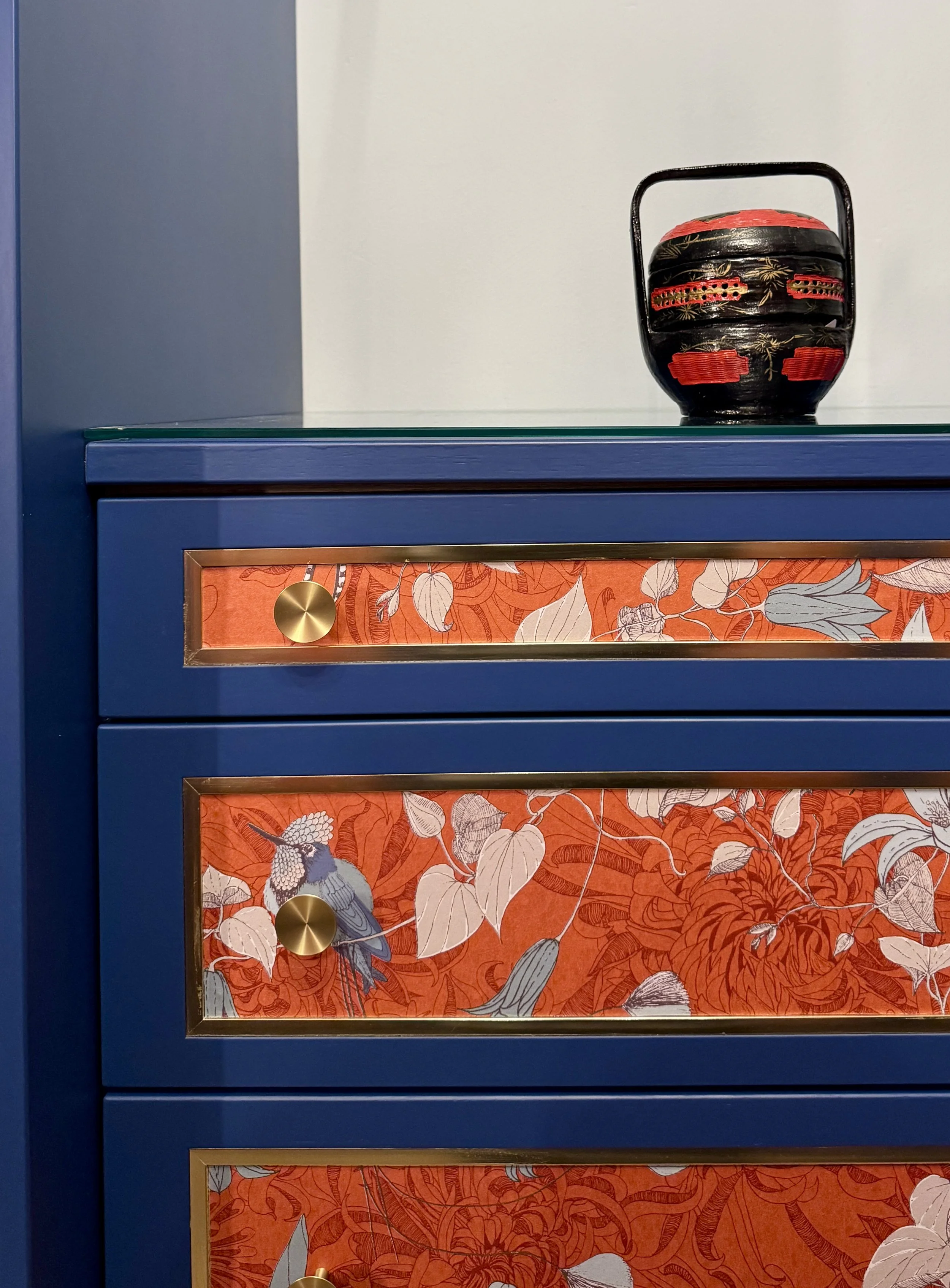
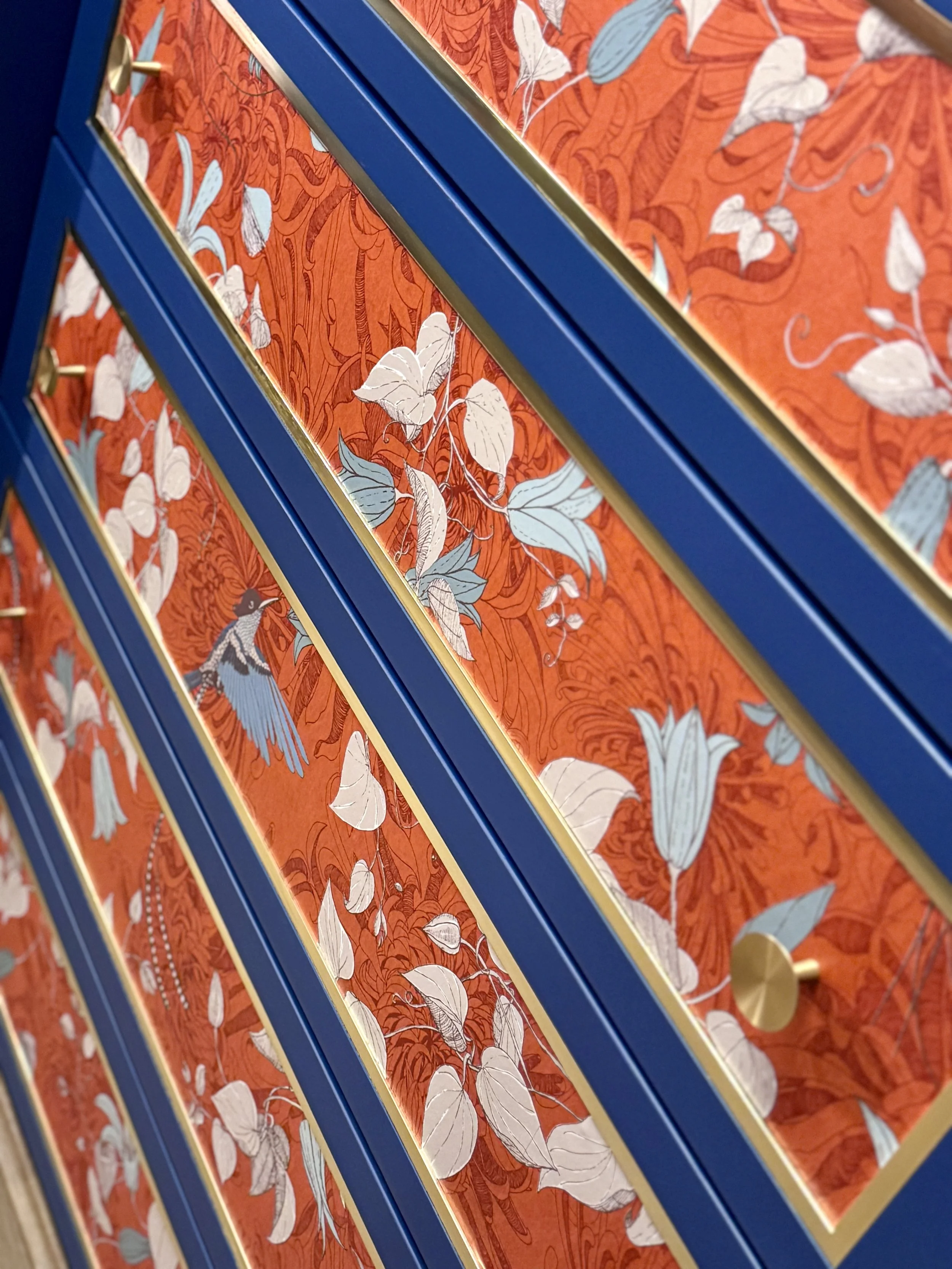
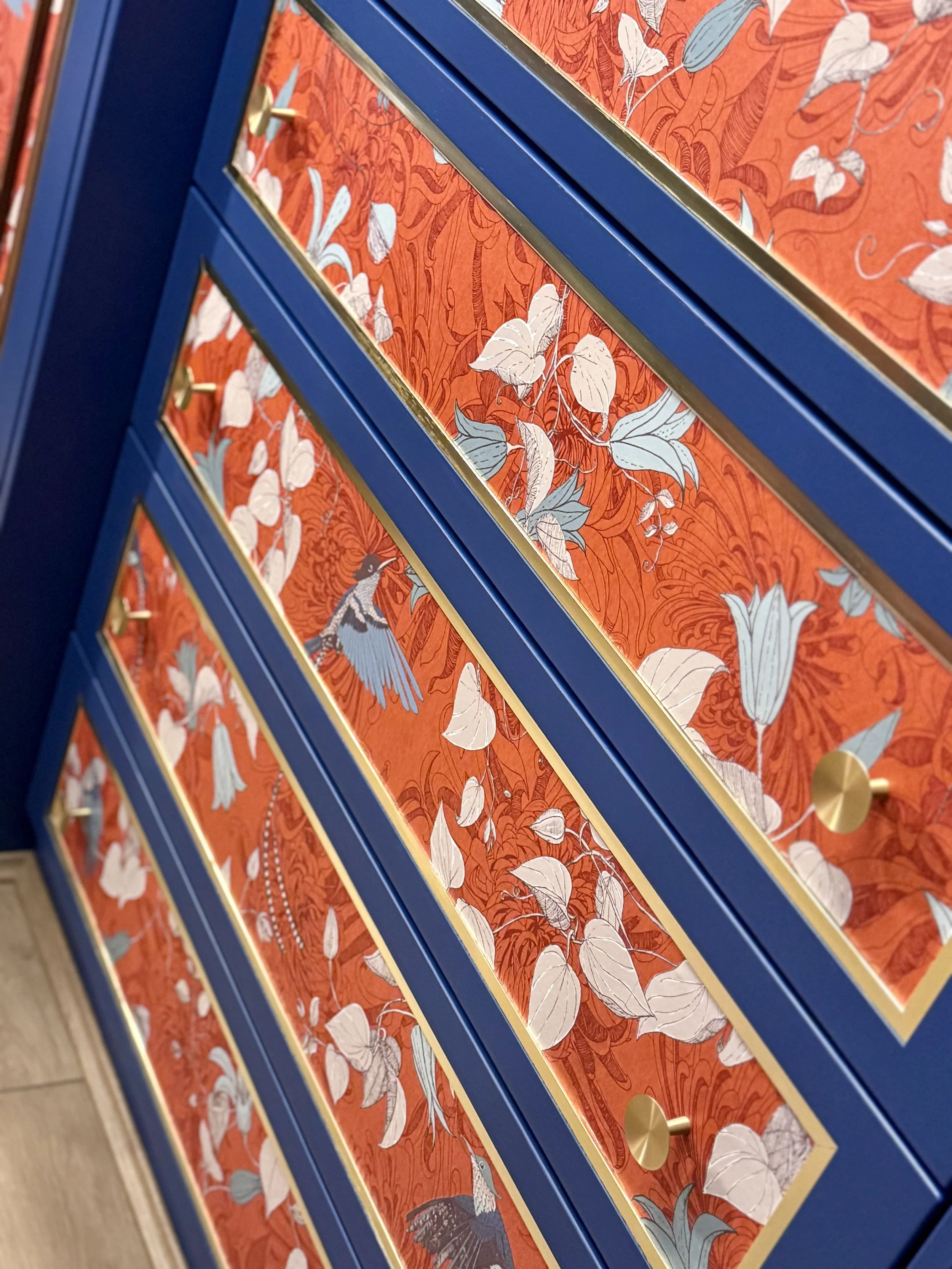
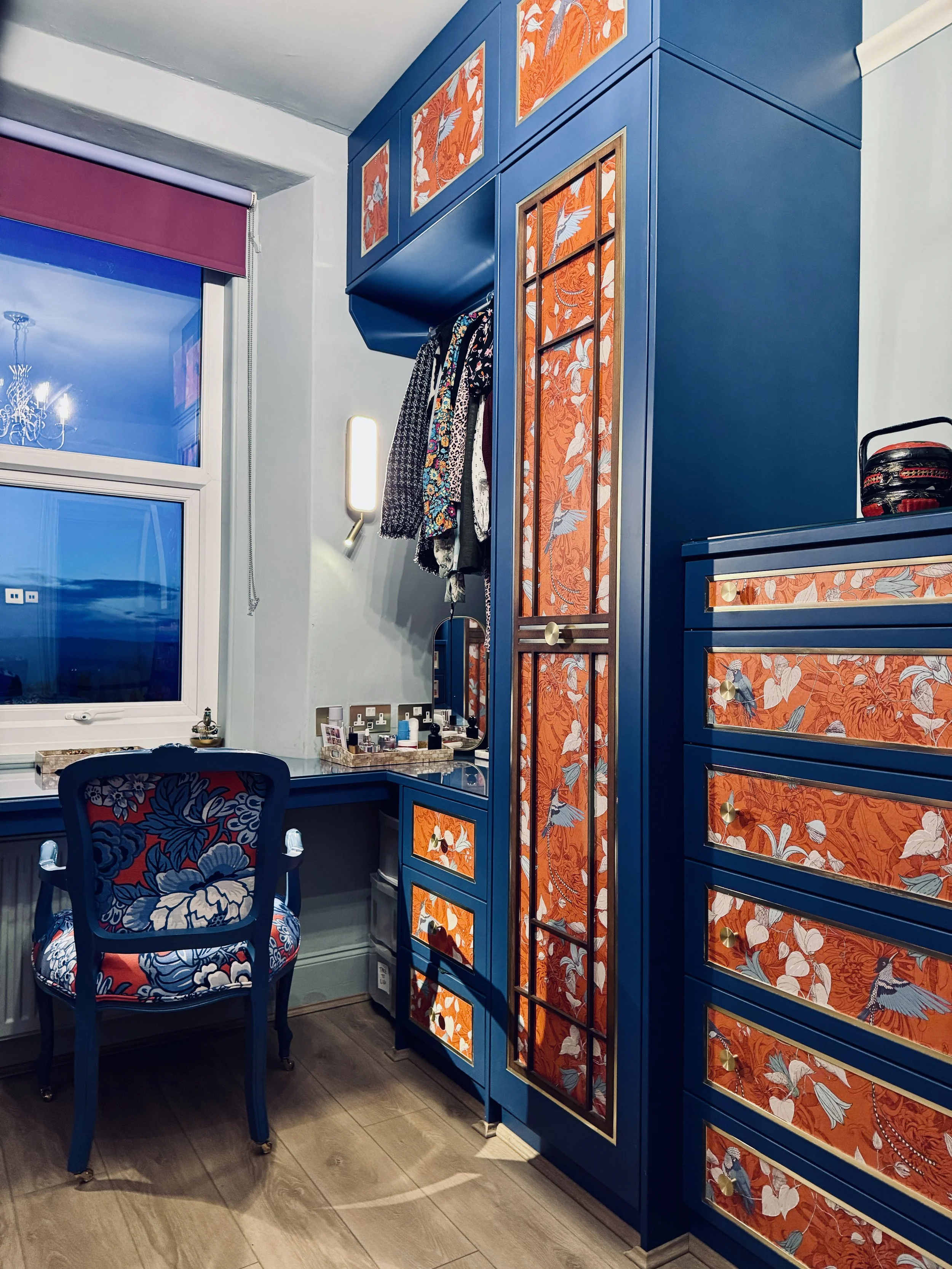
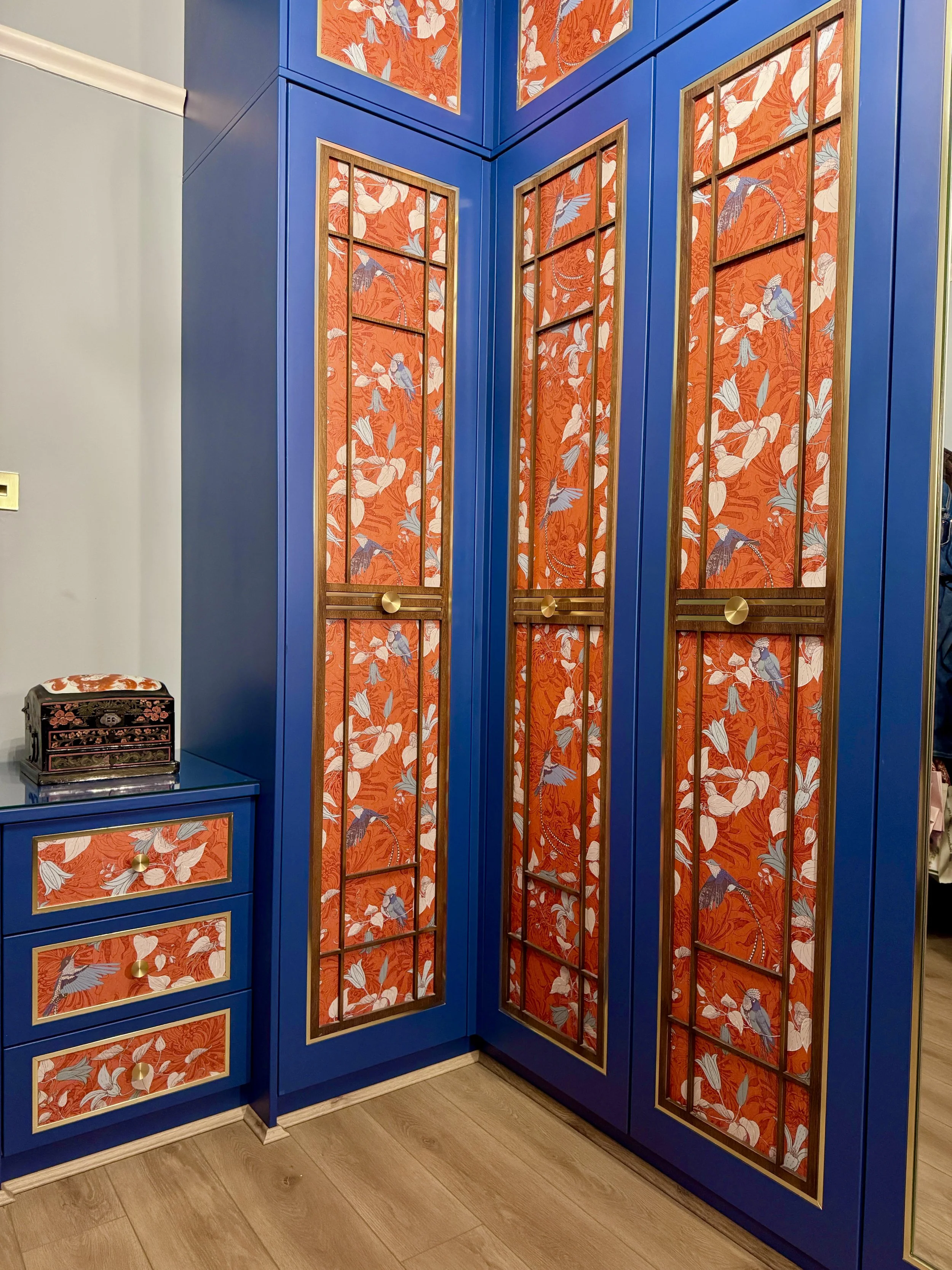
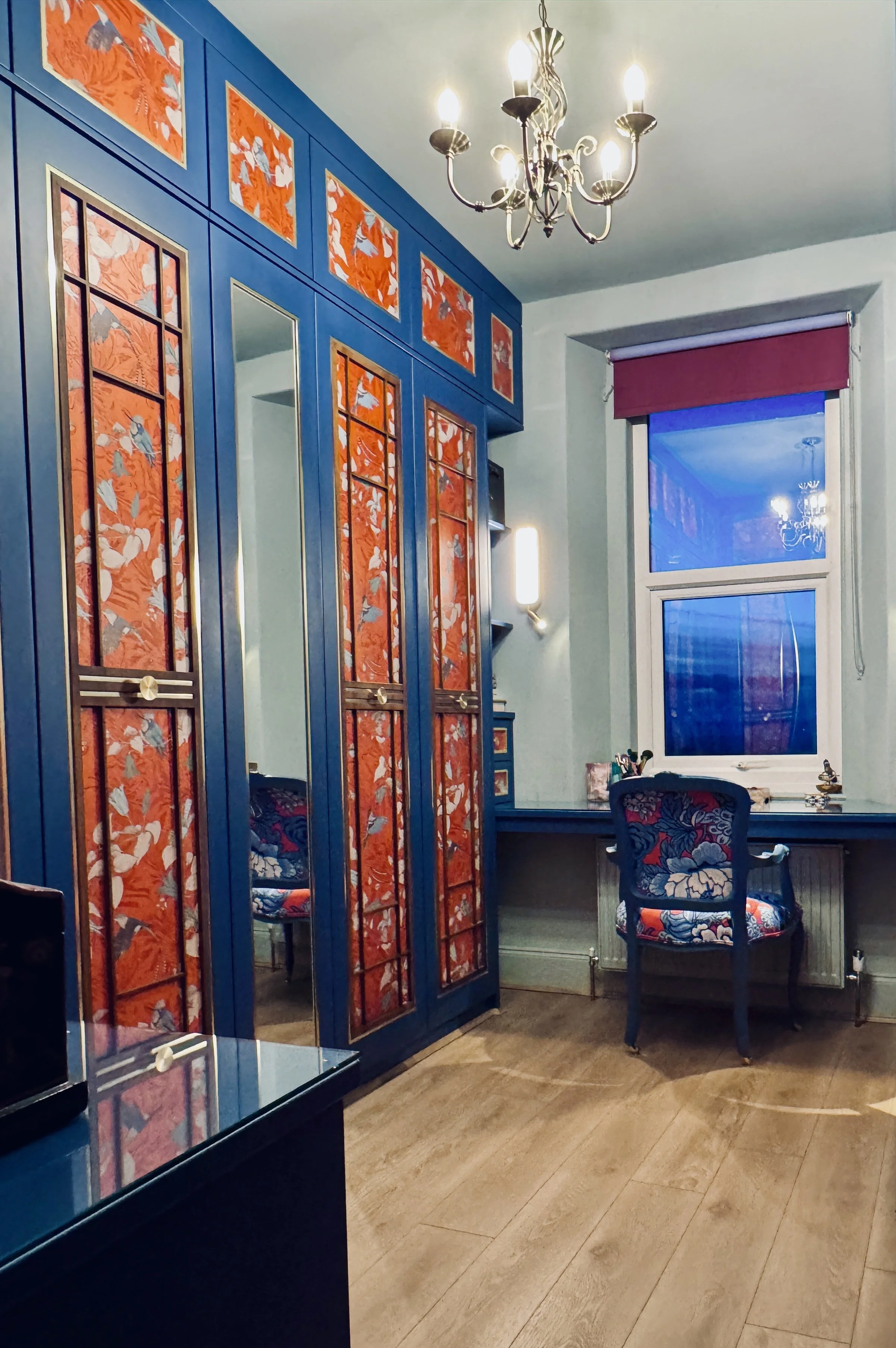
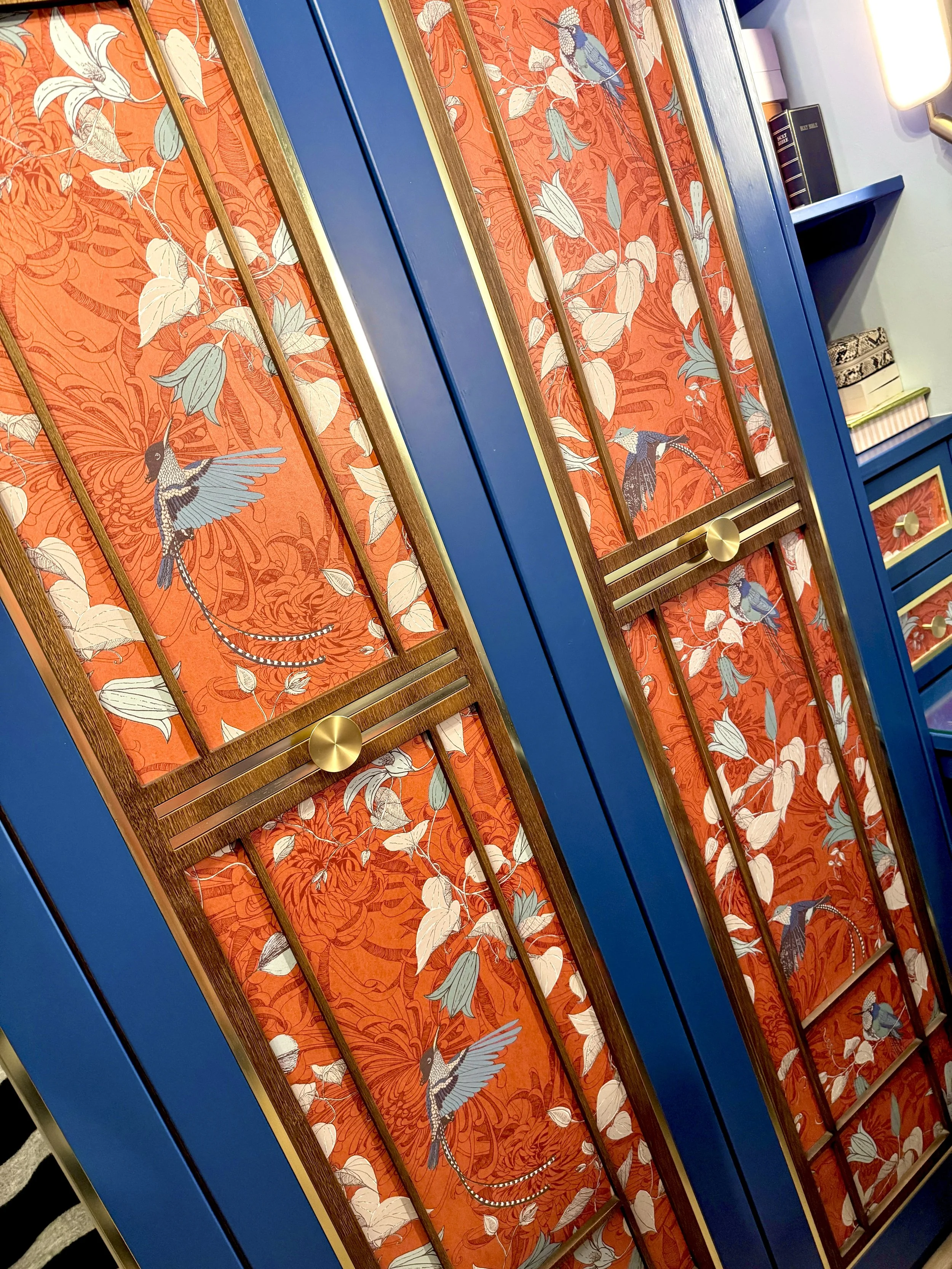
One of the first spaces to be reimagined was the smallest bedroom, which was transformed into a combined dressing room and study. It needed to work hard: generous storage, a dedicated area for dressing and make-up, space to display jewellery and treasured objects, and even a section of wardrobe storage for the client’s husband. More than that, it needed to feel like an expression of identity. Bespoke joinery, rich colour, decorative detailing and carefully framed pattern turned a plain, functional room into something far more distinctive and personal. Even the chair was part of that process, sourced second-hand and then reupholstered so it felt completely at home within the scheme. The result is a room that supports daily rituals beautifully while also telling a much richer story.
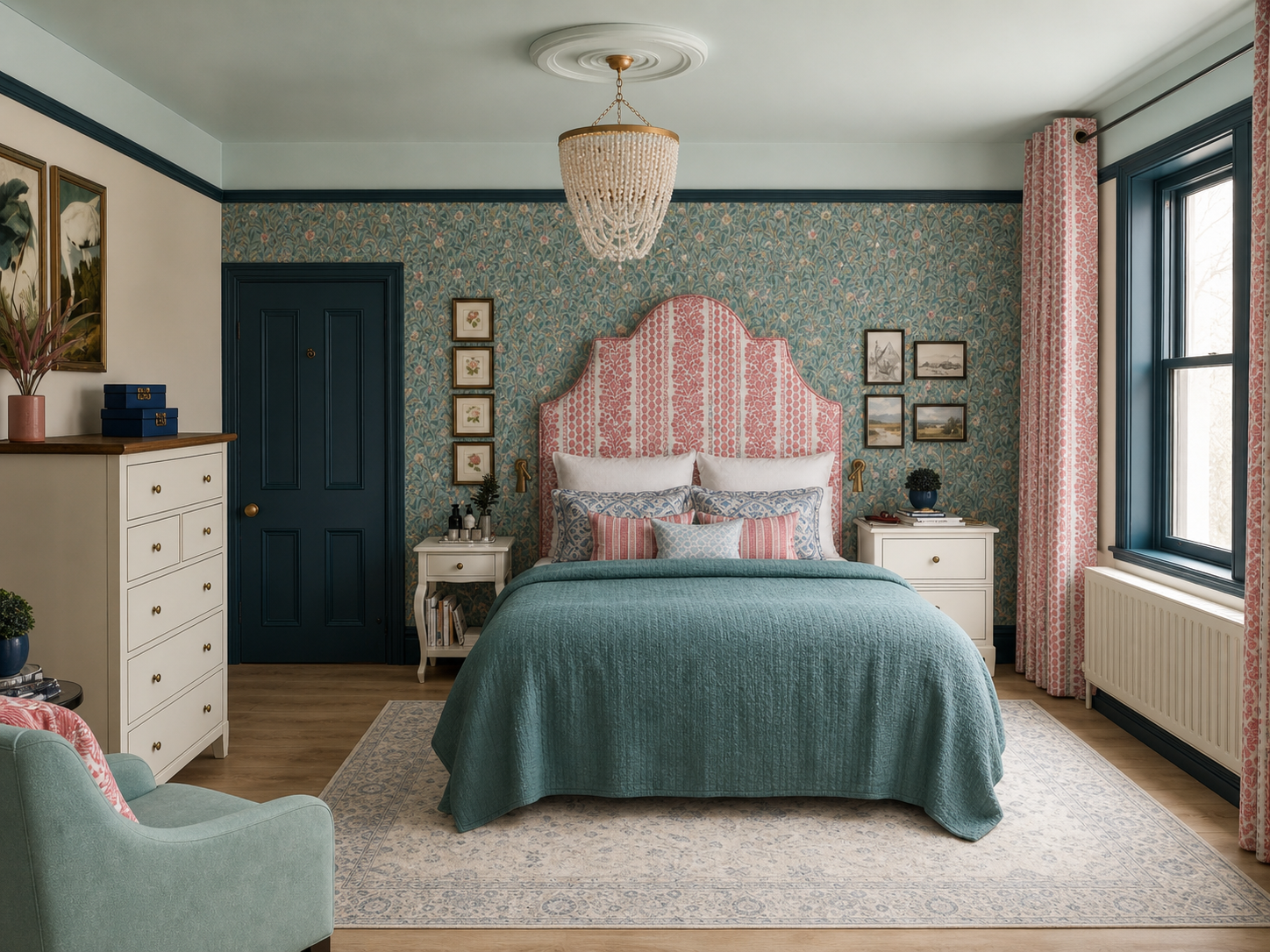
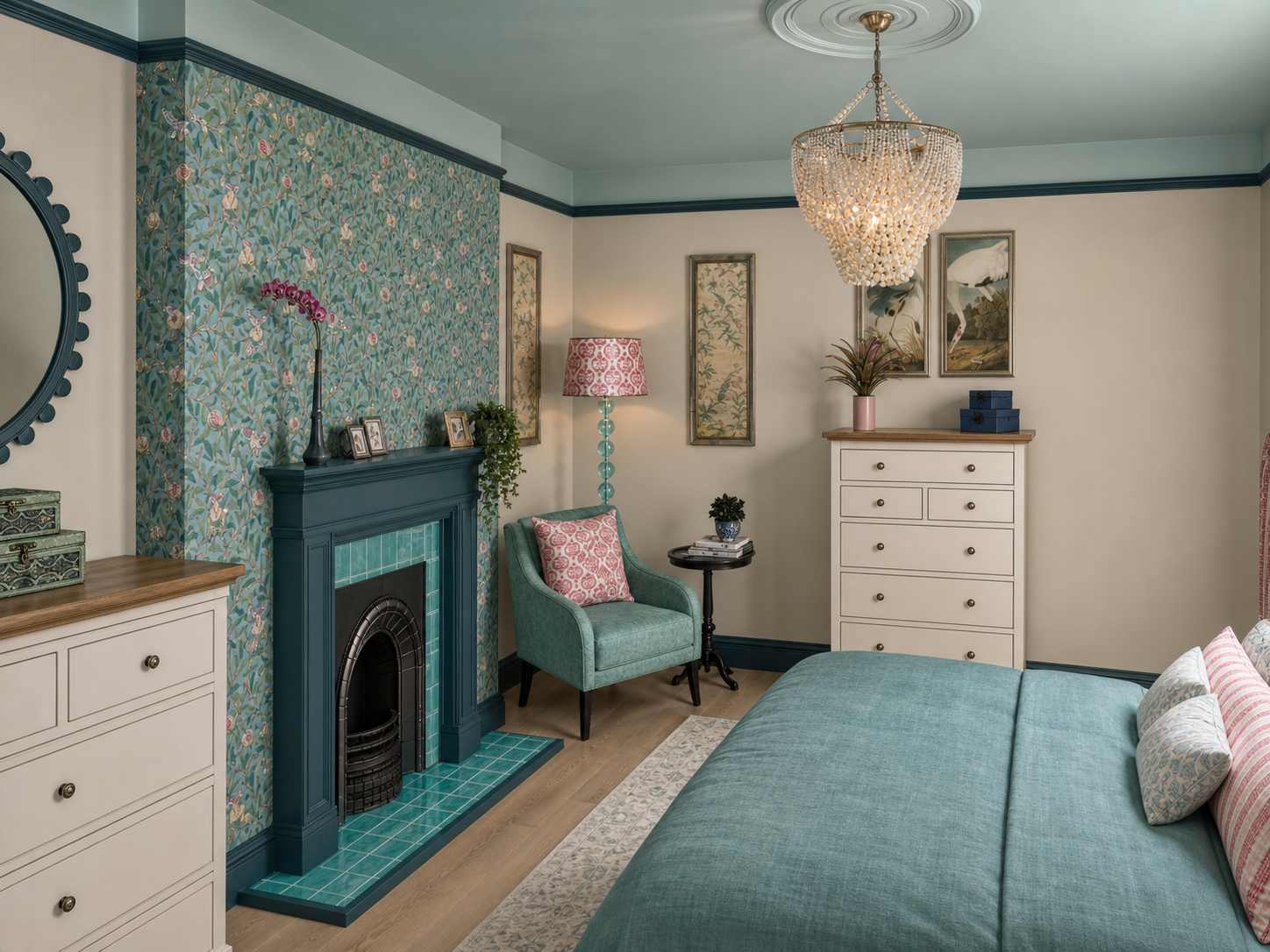
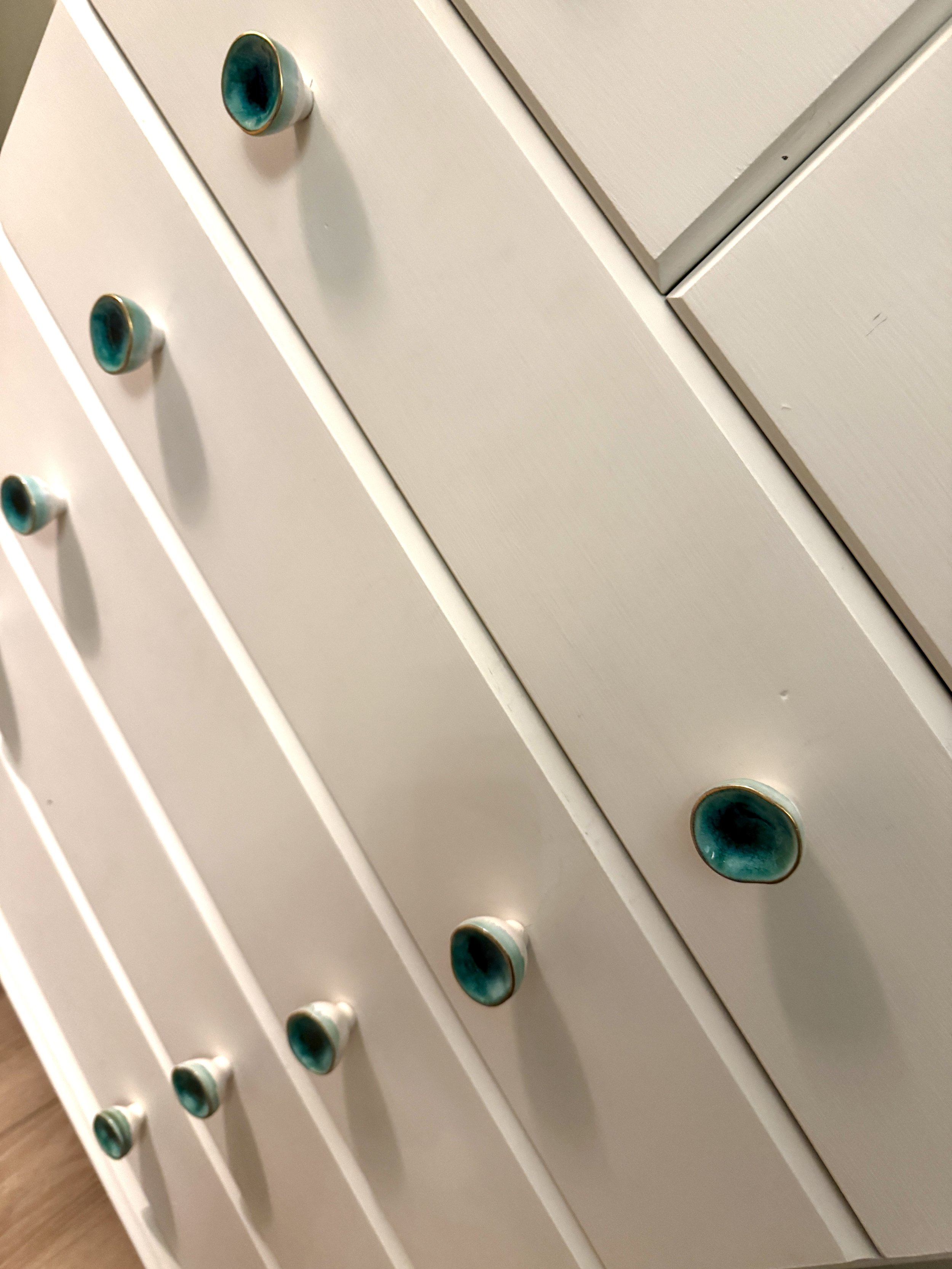
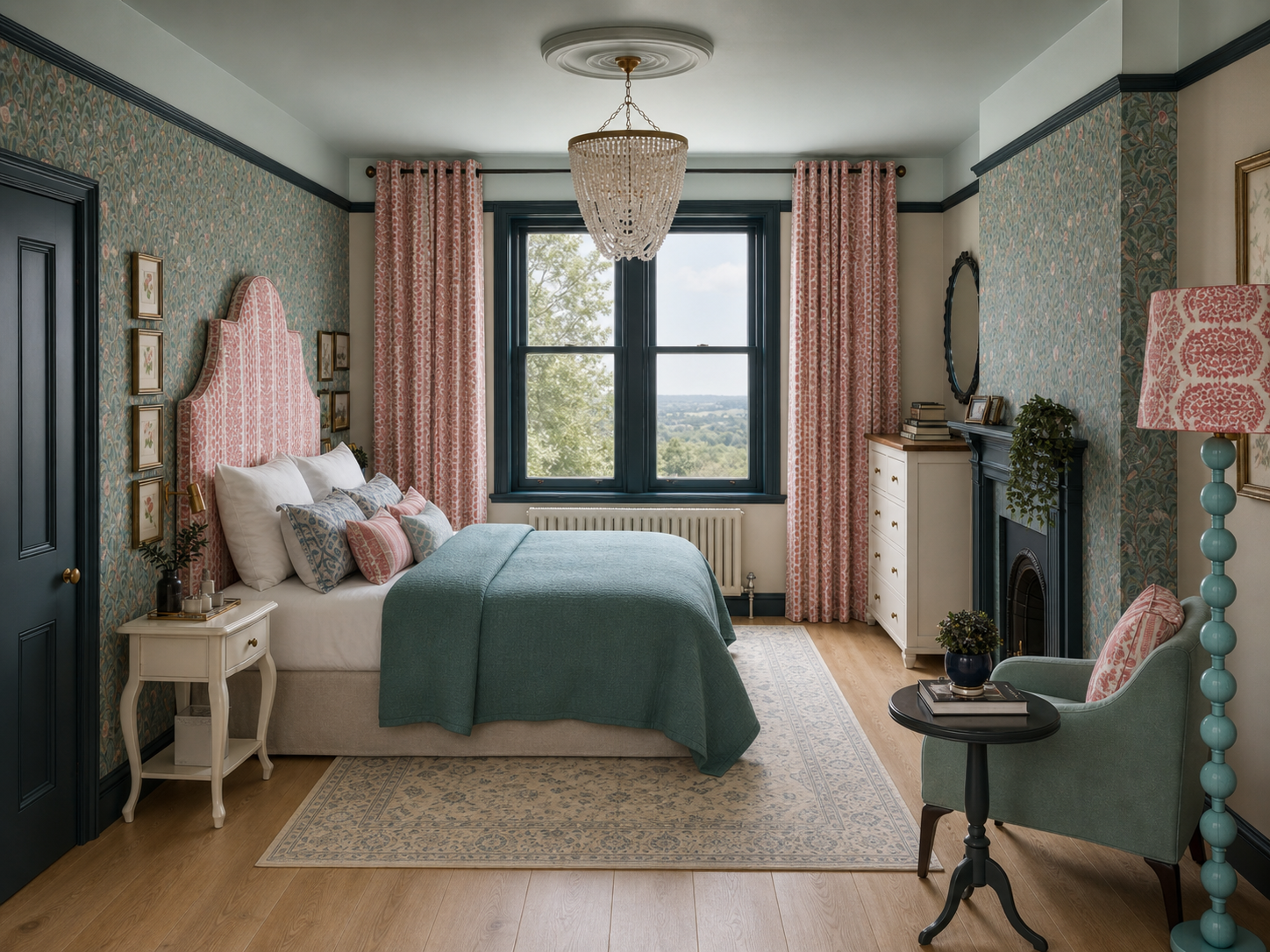
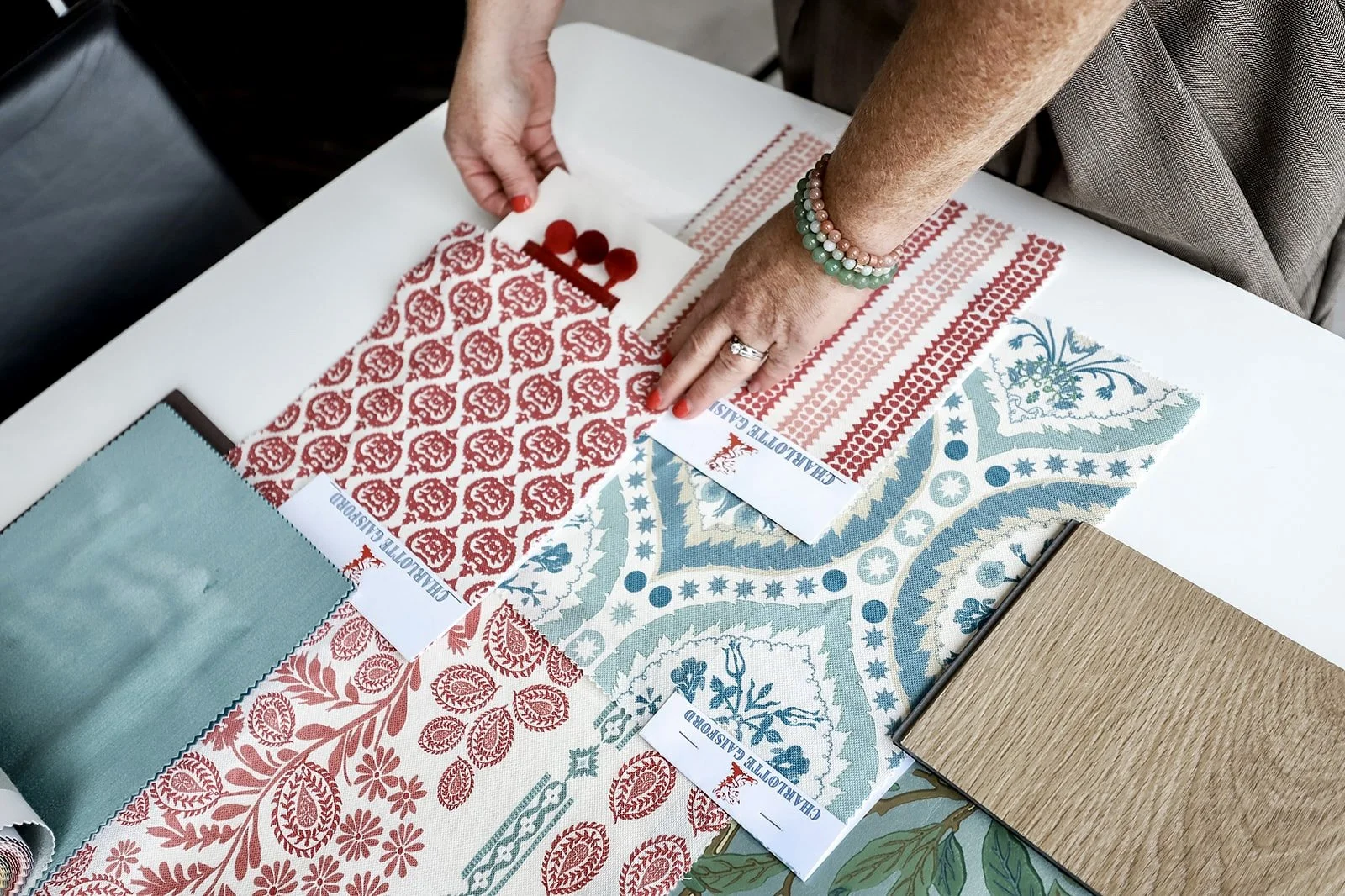
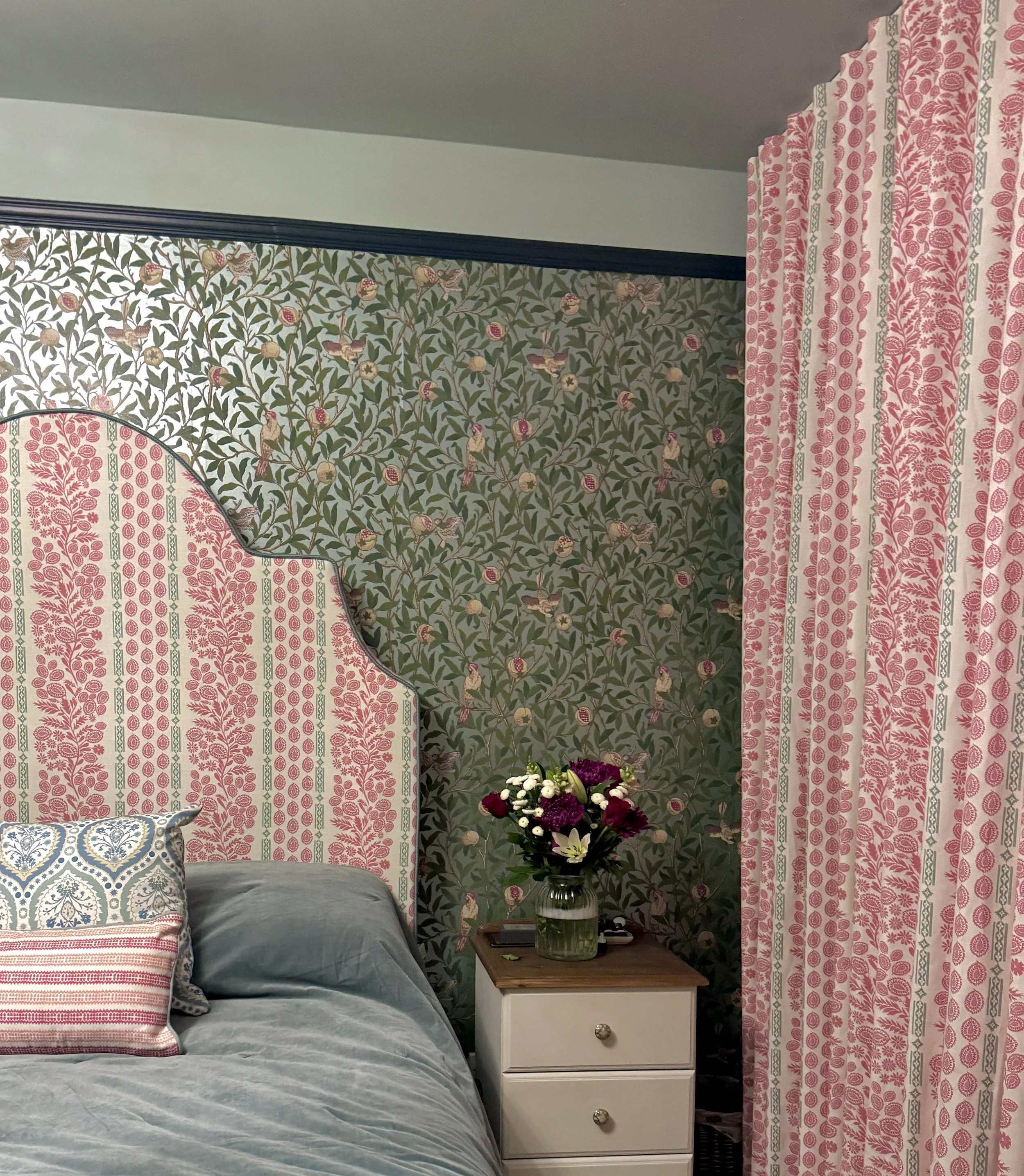
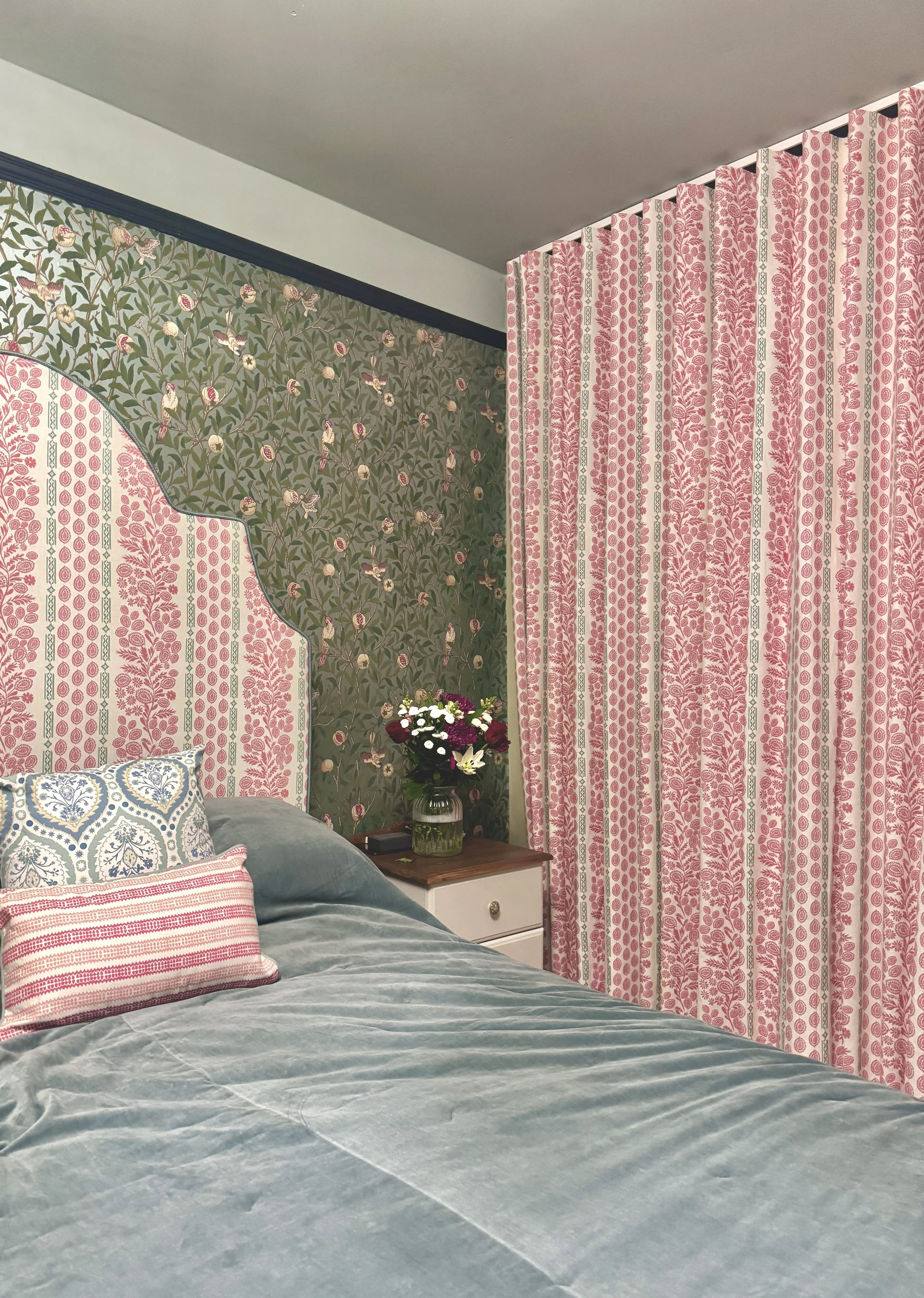
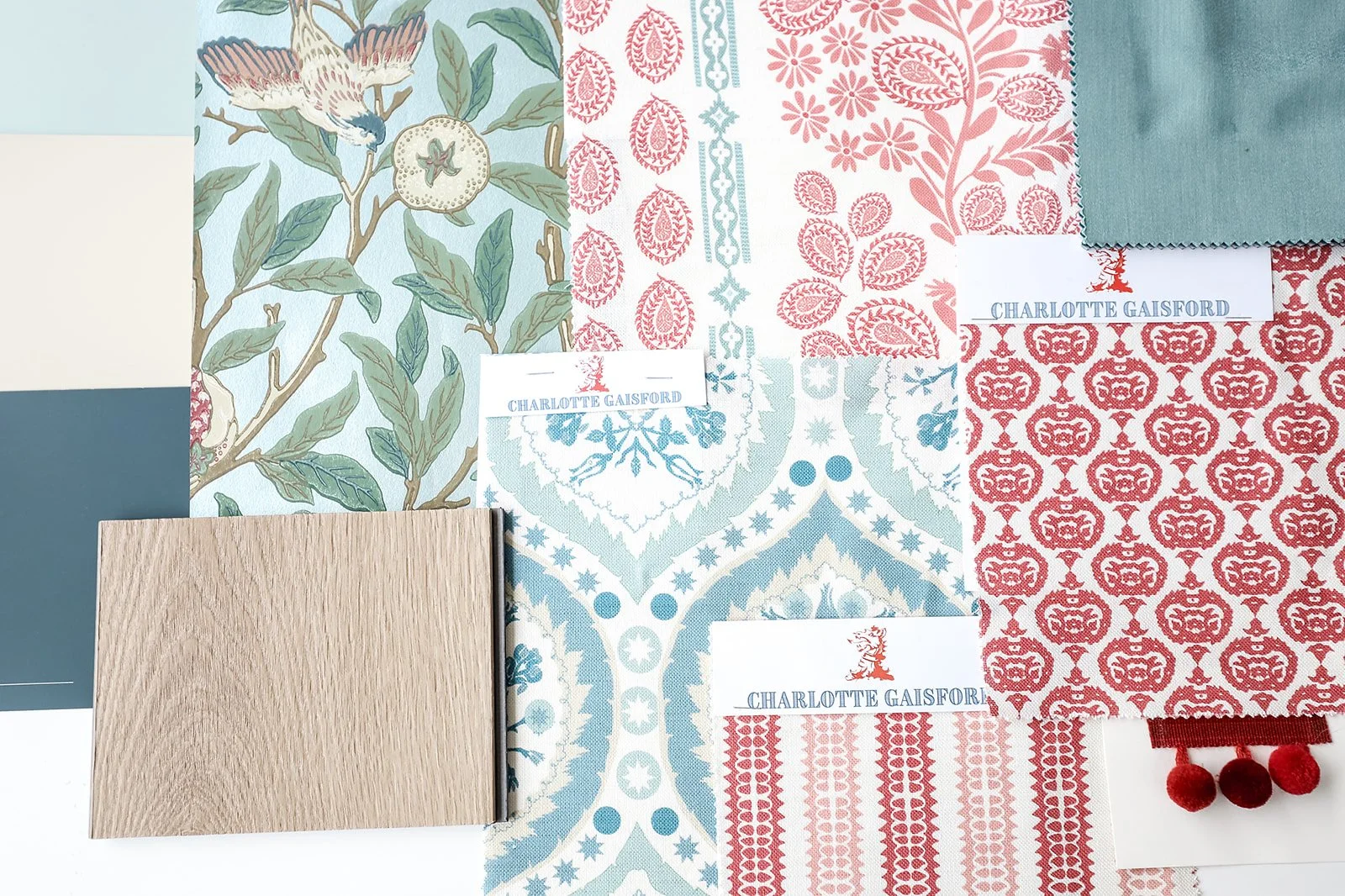
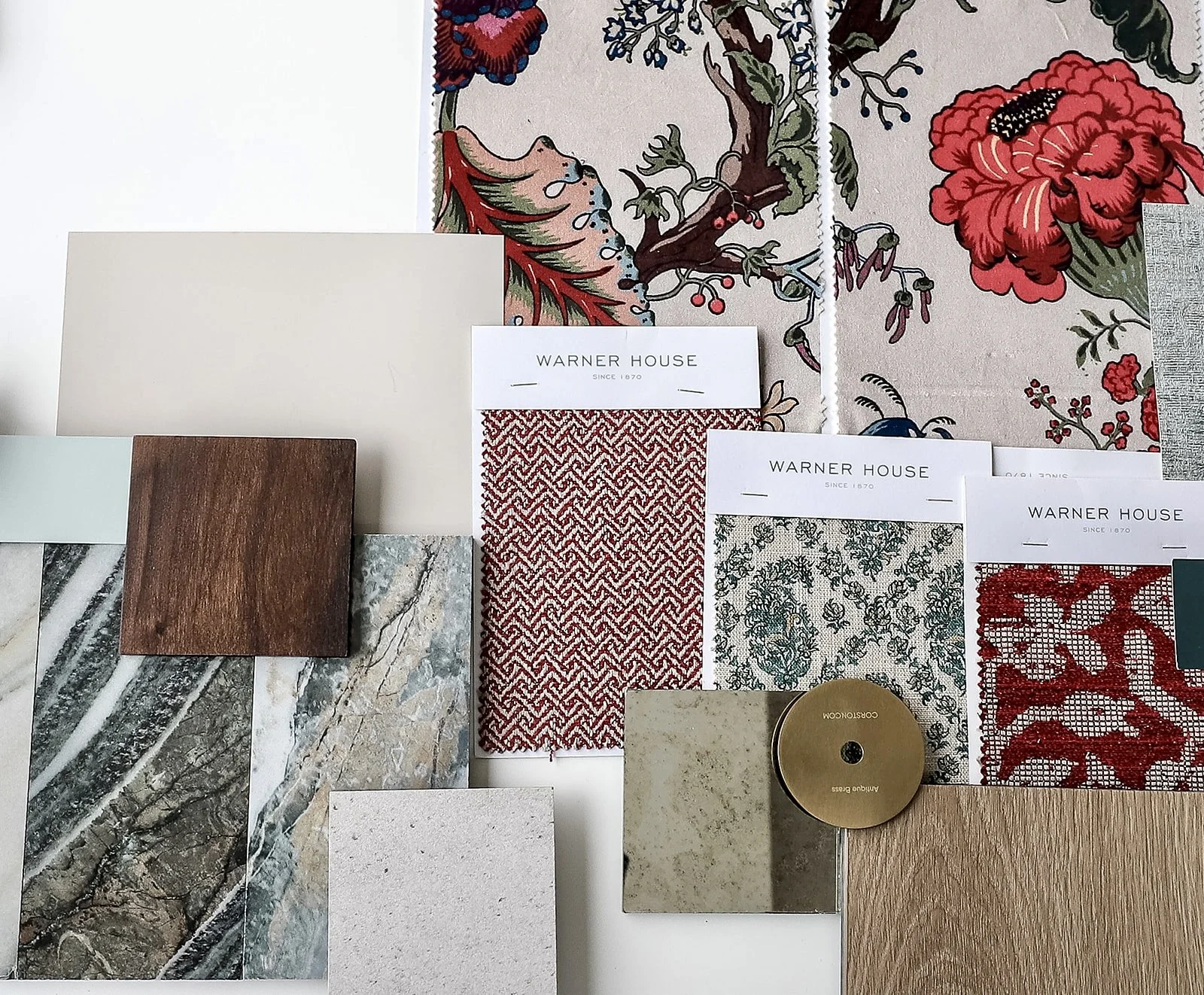
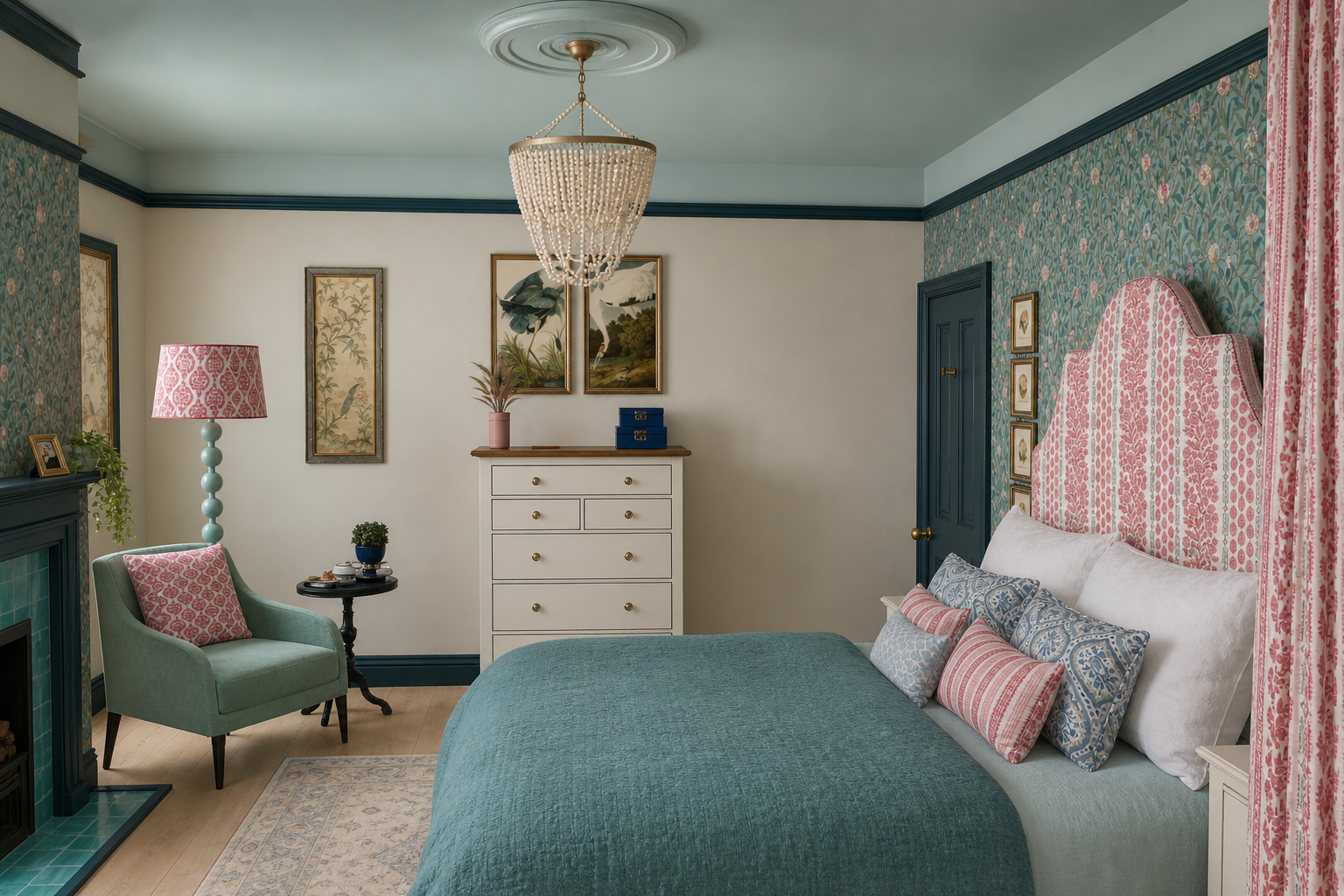
In the principal bedroom, the design built on a wallpaper the client already loved, using it as a bridge between the existing house and the wider identity of the home. From there, the scheme was layered with colour and pattern to bring warmth, femininity and quiet elegance while still feeling grounded in the age of the property. The furniture was treated in the same way, with reclaimed chests of drawers and bedside tables sourced and upcycled to sit naturally within the room, helping it feel collected rather than newly imposed. That balance of restoration, heritage and personal expression allowed the space to feel restful, characterful and deeply rooted in both the house and the client’s story.
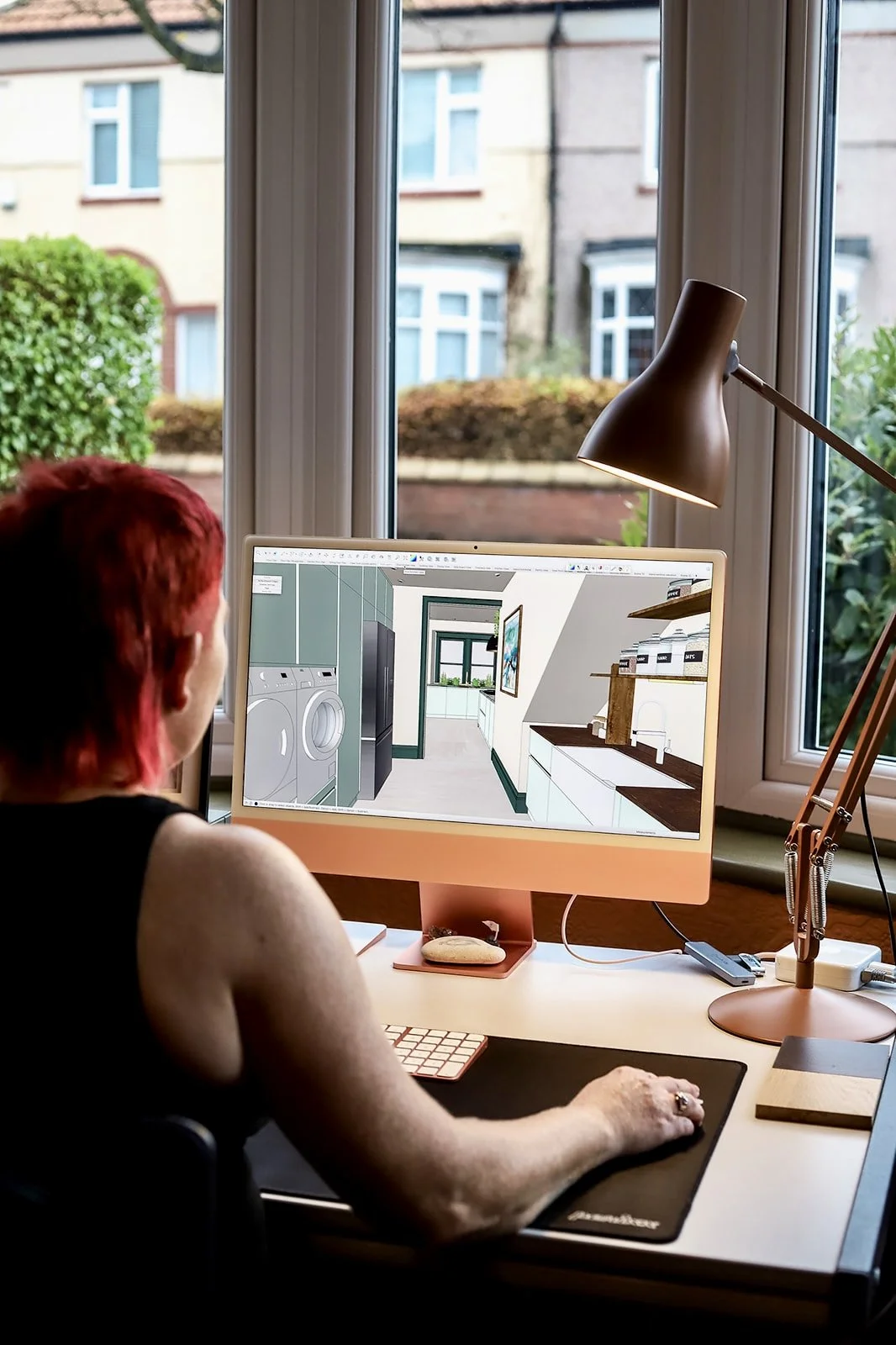
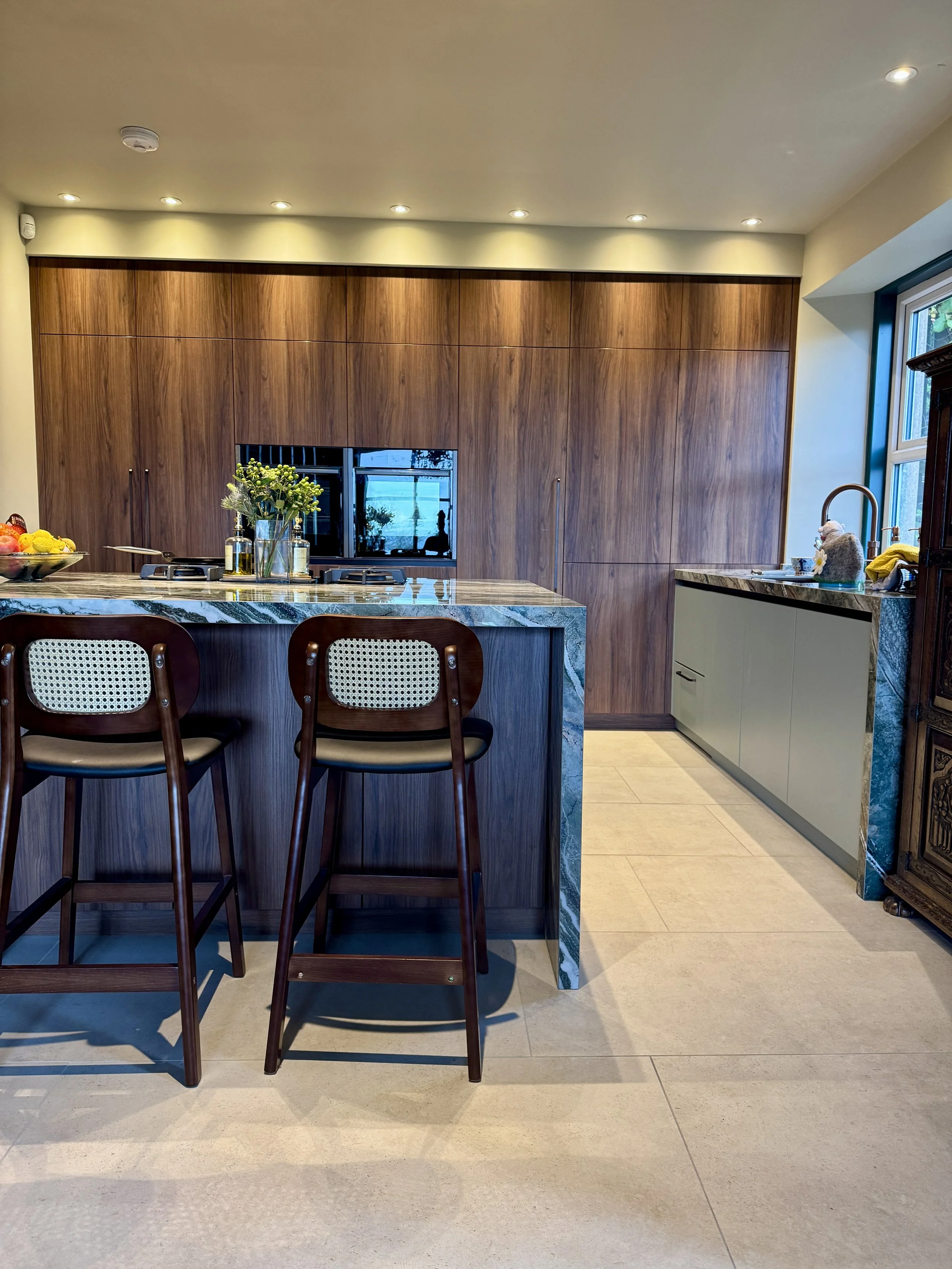
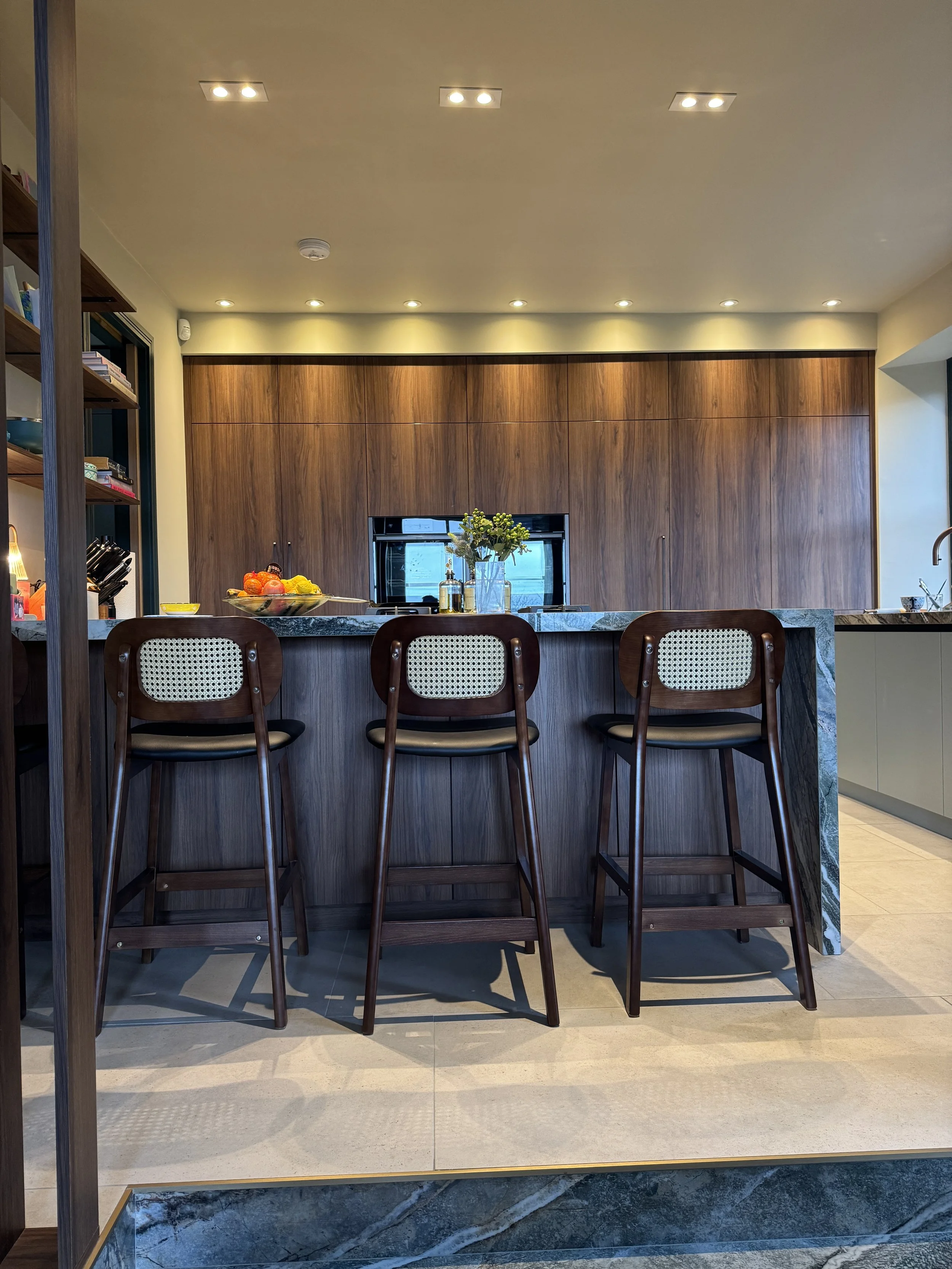
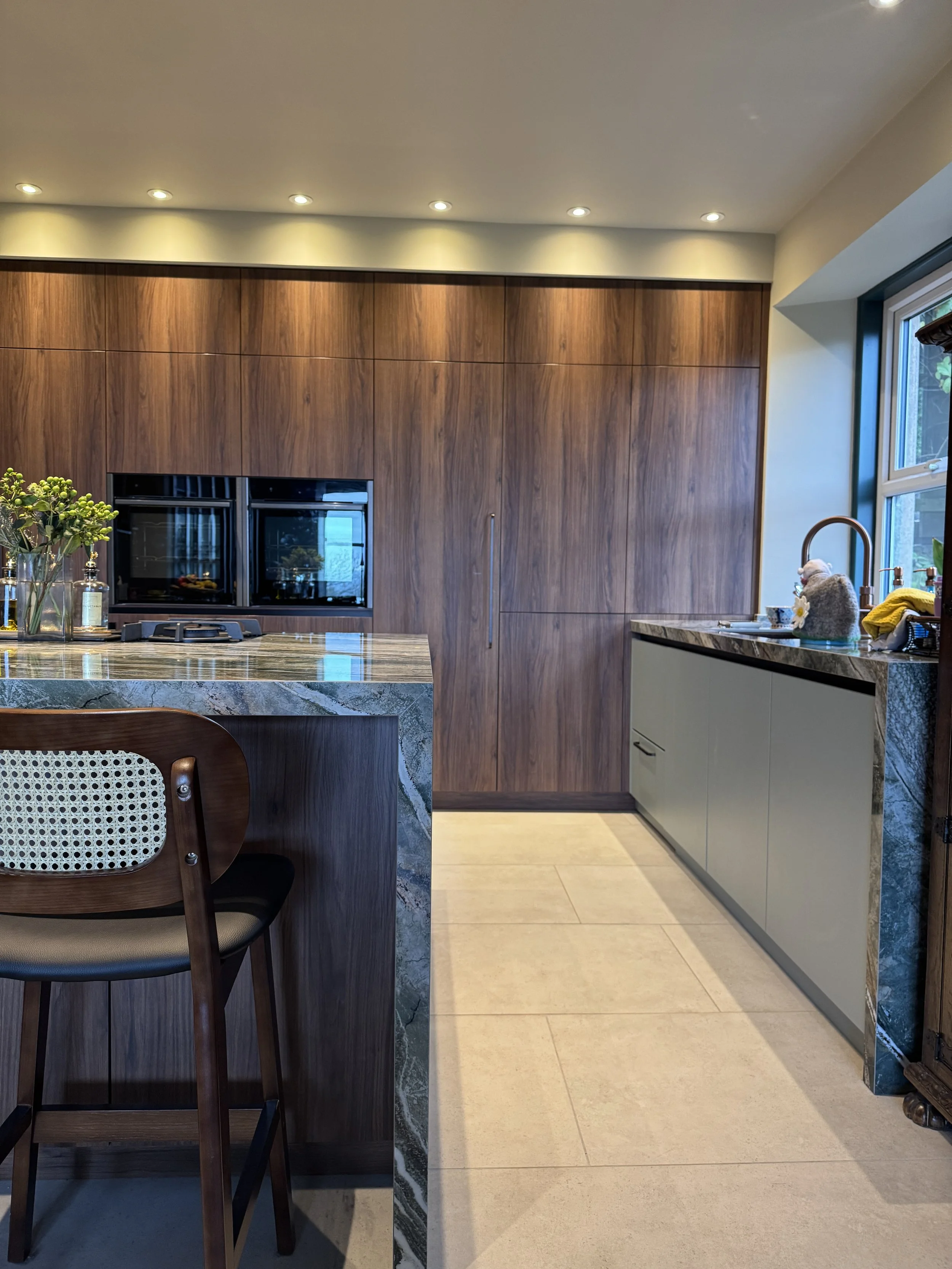
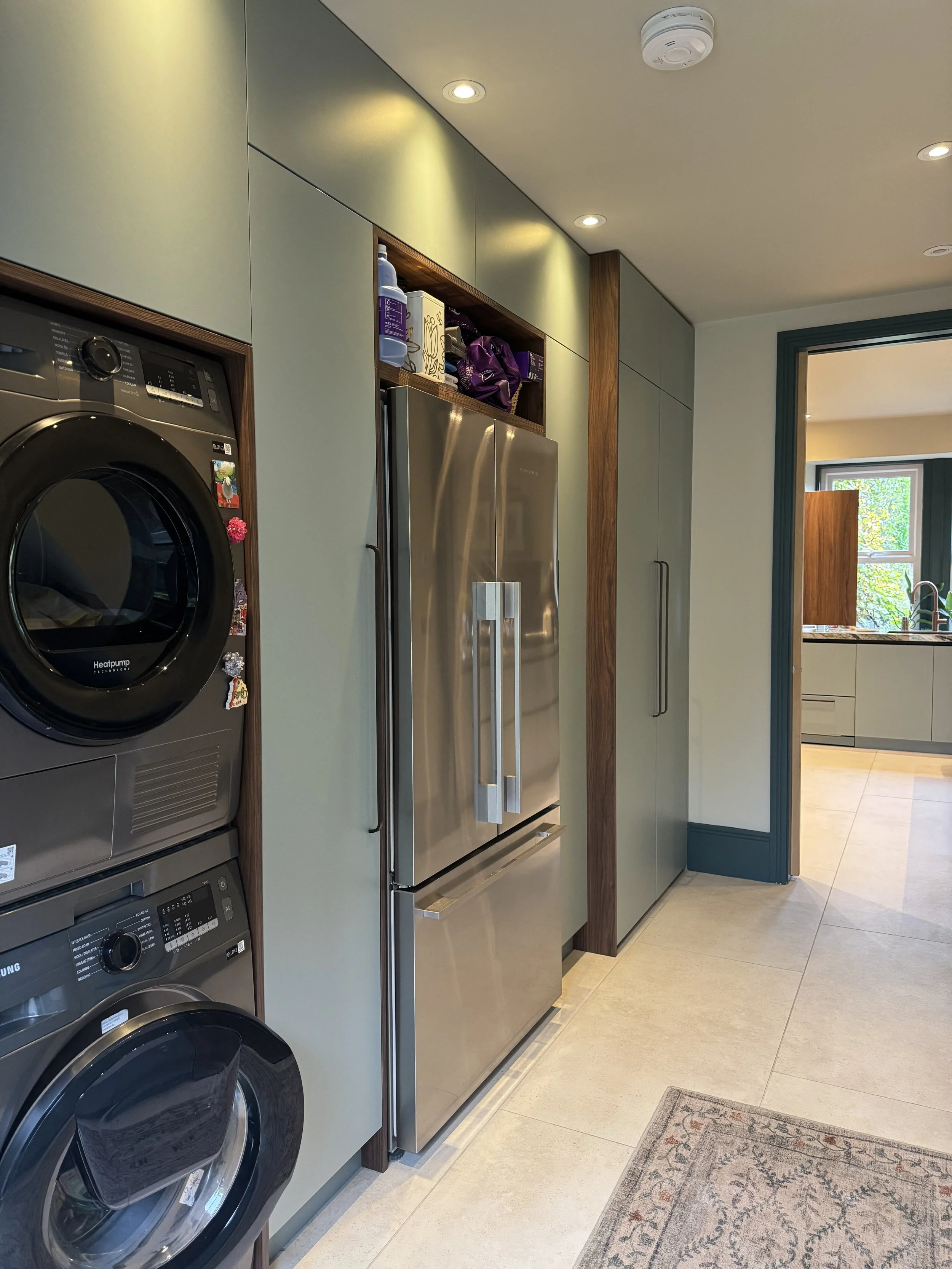
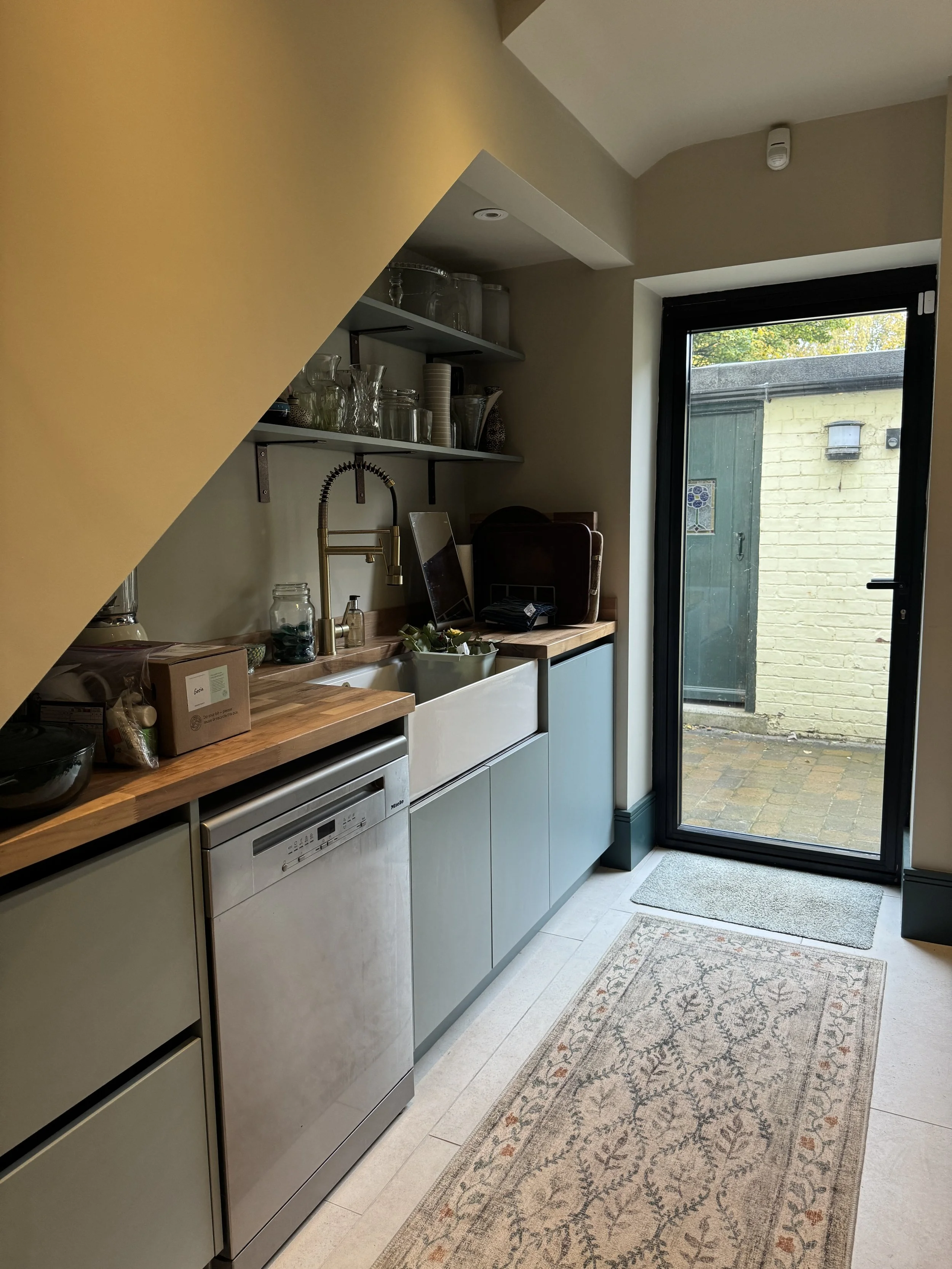
The final major transformation focused on the kitchen, dining room and former snug, where the original layout had felt dark, cold and disconnected. By relocating the main kitchen into the snug, the house gained a brighter, more sociable heart, while the original kitchen became a beautifully organised working pantry, utility and cloakroom zone by the back entrance. Because this is the door the clients use most often, the sequence was designed around real life: arriving home, taking off shoes and coats, unpacking shopping and keeping practical tasks out of the main entertaining space. A sliding door between the pantry and main kitchen allows the working side of the room to be closed away when needed, while the breakfast cupboard and sink run were planned to make everyday use feel intuitive and efficient.
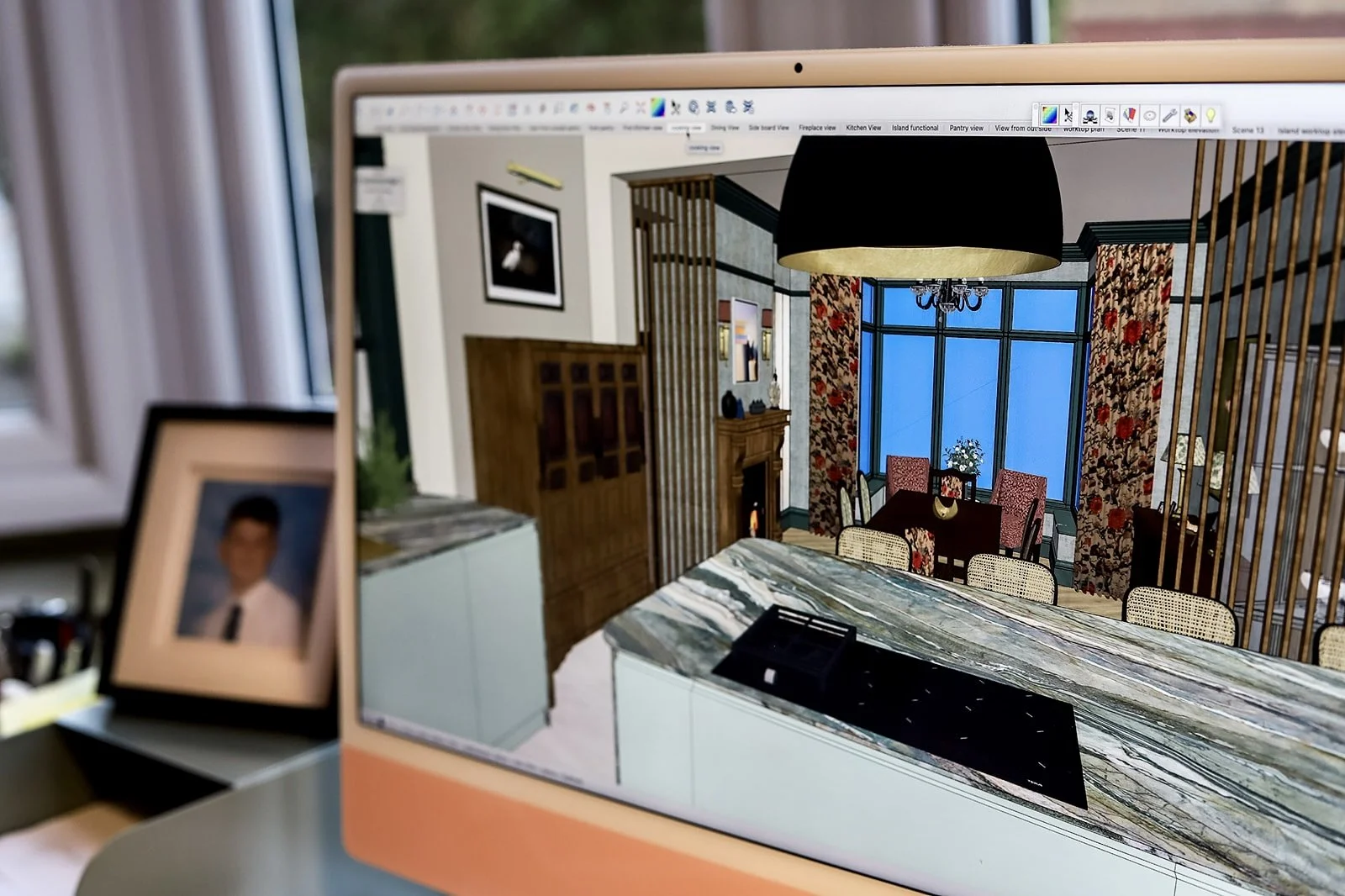
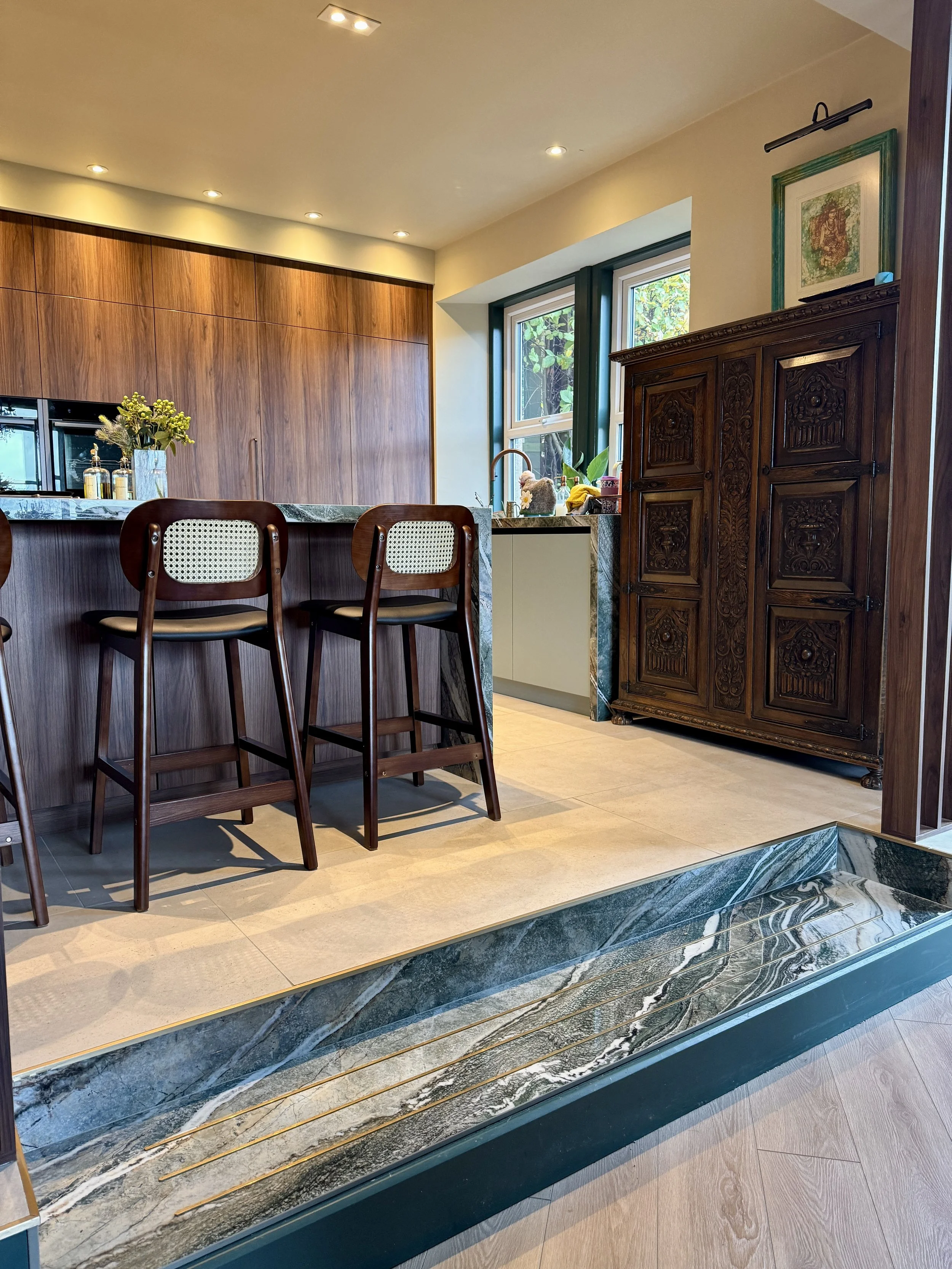
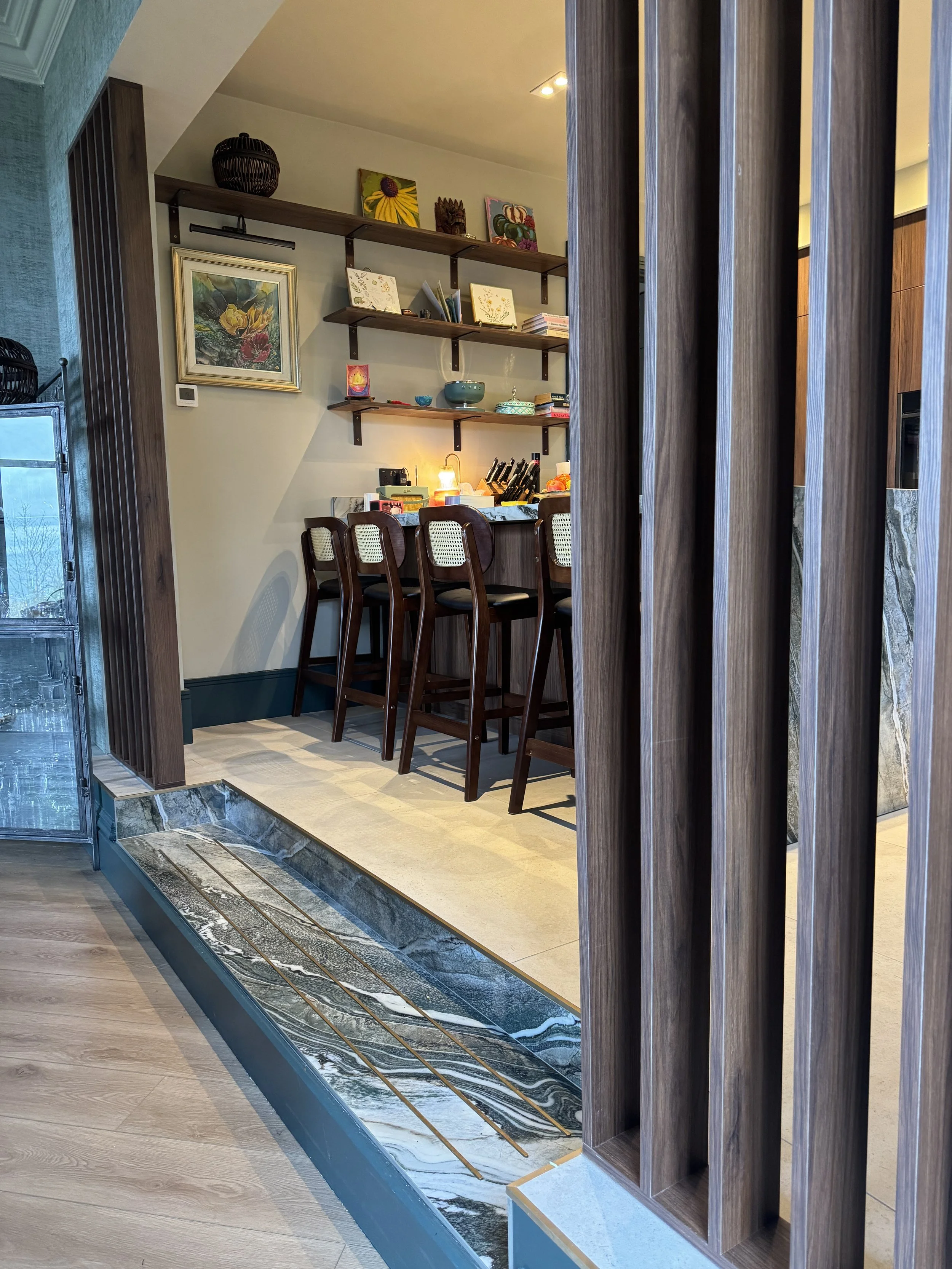
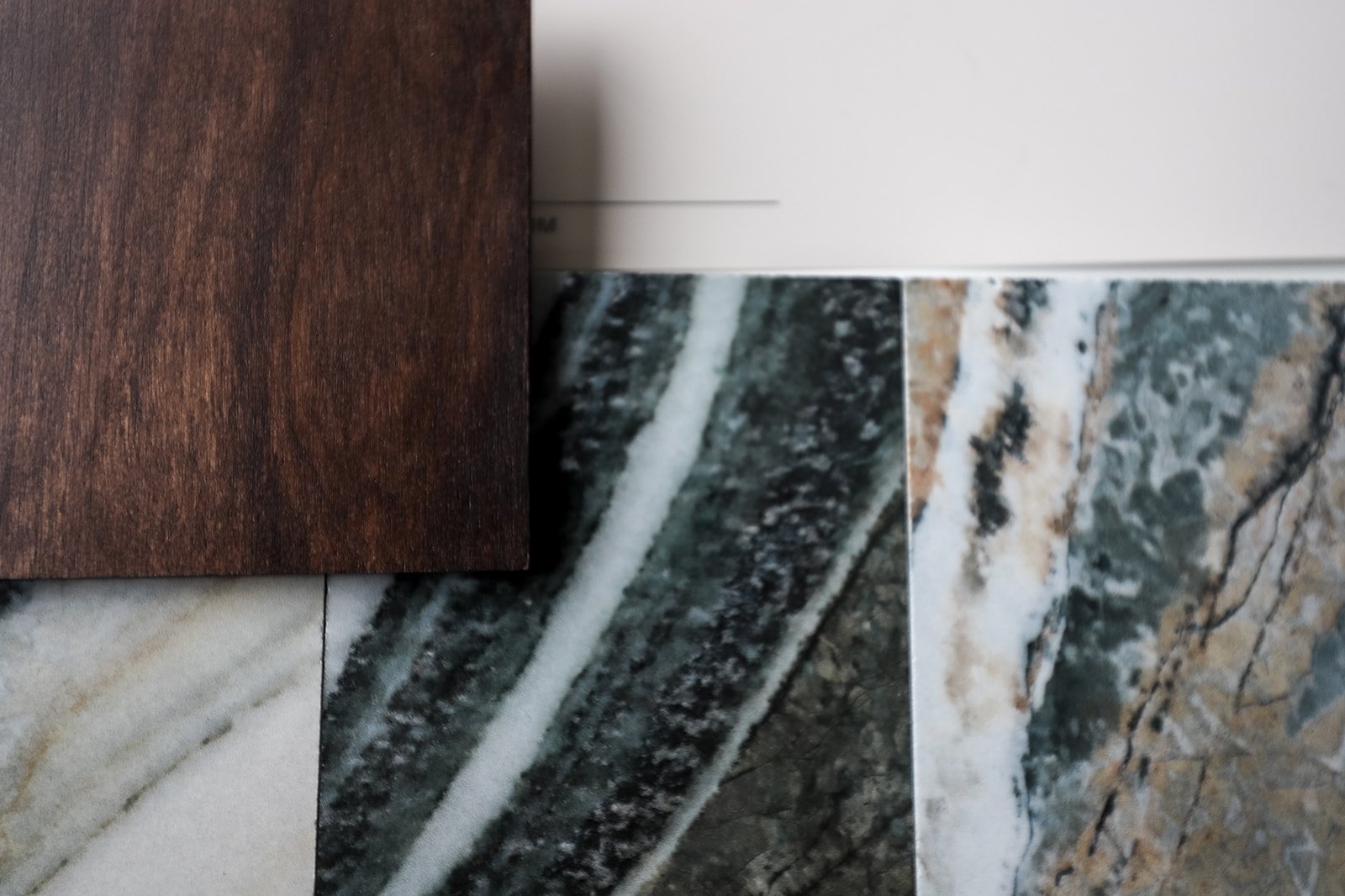
Opening up the former snug and dining room also meant resolving the level change between the spaces in a way that felt elegant rather than compromised. The solution was to use that change in floor level as part of the design language, giving the kitchen a stronger sense of sequence and presence while allowing the dining room to retain its own character. Tall timber cabinetry was taken right up to the ceiling to emphasise the height of the room, while the island created a generous focal point for cooking, gathering and entertaining. Slatted divisions helped define the relationship between kitchen and dining without losing openness, and it was here that the antique pieces became especially important: the freestanding wooden cabinet in the kitchen, the dining table and chairs, and the sideboard in the dining room were all carefully integrated into the new scheme so they could bring warmth, history and contrast to the more contemporary layout. Reupholstered dining chairs and layered fabrics introduced further texture and a clear nod to the client’s heritage. Designed with entertaining in mind, and also with the long-held dream of one day hosting cooking classes, the result is a home where beauty and function work together with far more clarity, generosity and purpose.
If something here resonates, book a Connection Call and let’s talk about your home.